Vancouver's Snowless Winter Could Shatter 43-Year Climate Record
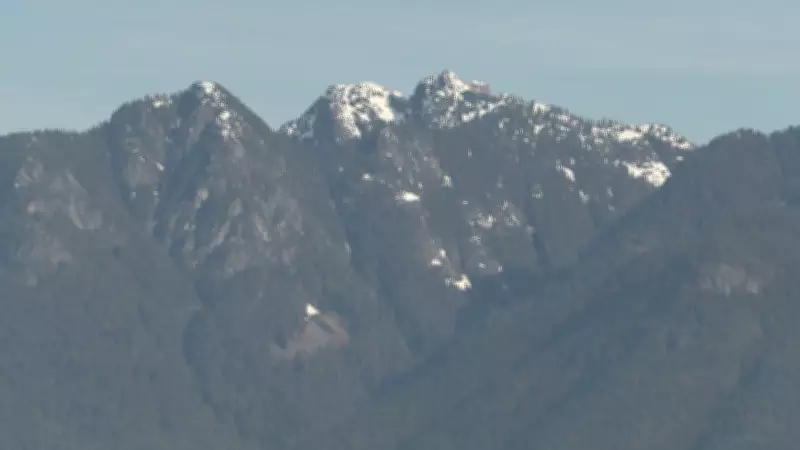
Vancouver is experiencing an exceptionally warm winter season that could potentially break a significant climate record that has stood for over four decades. The city's iconic mountain trails have opened unusually early in February, a direct consequence of the persistent mild weather patterns that have dominated the region.
Unprecedented Warmth and Its Implications
This winter's weather patterns represent a dramatic departure from Vancouver's typical seasonal norms. The absence of significant snowfall is not merely an inconvenience for winter sports enthusiasts but signals broader environmental shifts. Meteorological data indicates that if current conditions persist, Vancouver could officially snap a 43-year record for the least amount of snowfall recorded during the winter months.
The implications of this snow deficit extend far beyond recreational activities. The warm, dry conditions are creating multiple challenges for the region:

- Increased wildfire risks as vegetation remains dry and vulnerable
- Disruption to wildlife habitats and migration patterns
- Impact on water resources that typically rely on snowpack accumulation
- Economic consequences for winter tourism and related industries
Broader Climate Context and Regional Effects
Vancouver's unusual winter conditions are part of a larger pattern affecting Western Canada. Two British Columbia communities recently recorded their warmest February days in history, highlighting that this phenomenon extends beyond Vancouver's metropolitan area. The early opening of mountain trails serves as a visible indicator of how climate patterns are shifting in real-time.
Environmental scientists note that while individual warm winters occur naturally, the frequency and intensity of such events have increased in recent decades. This particular winter's characteristics align with broader climate change projections for the Pacific Northwest region, which predict warmer temperatures and altered precipitation patterns.
Comparative Weather Events Across Canada
While Vancouver experiences unprecedented warmth, other parts of Canada face different climate challenges. In Newfoundland, fish harvesters recently rescued caribou from icy waters, demonstrating the varied and sometimes extreme weather conditions occurring simultaneously across the country. Meanwhile, Spain and Portugal faced Storm Leonardo, resulting in fatalities and significant damage.
The contrast between Vancouver's snowless winter and other regions' weather extremes underscores the complex and sometimes contradictory manifestations of global climate patterns. As Vancouver potentially breaks its 43-year snow record, the event contributes valuable data to ongoing climate research and public understanding of environmental changes.