After decades of continuous operation, a venerable Canadian institution is signing off for the final time. Environment Canada has officially announced the termination of its nationwide Weatheradio service, a cross-country broadcast that has delivered critical weather forecasts and severe alerts around the clock for generations. The federal agency is now directing all listeners to transition to digital alternatives, specifically online platforms and smartphone applications, marking a significant shift in how meteorological information is disseminated to the public.
The End of an Era for Weather Broadcasting
For many Canadians, Weatheradio has been a reliable companion, providing essential updates during storms, floods, heatwaves, and other hazardous conditions. The service operated on a 24-hour basis, ensuring that even in remote areas without internet access, residents could stay informed about impending weather threats. Its discontinuation represents the closure of a chapter in Canada's public safety infrastructure, one that predates the digital age and served as a lifeline during numerous natural disasters.
Driving Factors Behind the Digital Transition
Environment Canada cites several key reasons for this strategic pivot. Primarily, the proliferation of internet connectivity and mobile device usage has dramatically changed how people consume information. The agency emphasizes that online services and dedicated apps can deliver more timely, localized, and interactive weather data than traditional radio broadcasts. Additionally, maintaining the aging Weatheradio infrastructure has become increasingly costly, with resources now being reallocated to enhance digital capabilities and improve the accuracy of weather modeling.

Critical alerts for severe weather events, such as tornado warnings, blizzard conditions, or extreme temperature advisories, will now be issued exclusively through digital channels. This includes the Alert Ready system, which sends emergency notifications directly to compatible smartphones, as well as updates on Environment Canada's official website and social media accounts. The move aligns with broader governmental efforts to modernize public communication systems and leverage technology for more efficient service delivery.
Public Response and Adaptation Challenges
While many Canadians have already embraced digital tools for weather information, concerns have been raised regarding accessibility for vulnerable populations. Elderly individuals, residents in rural or northern communities with unreliable internet, and those who cannot afford smartphones may face difficulties adapting to this change. Environment Canada has acknowledged these challenges and is working on outreach programs to assist with the transition, including partnerships with local organizations to ensure no one is left without access to vital weather updates.
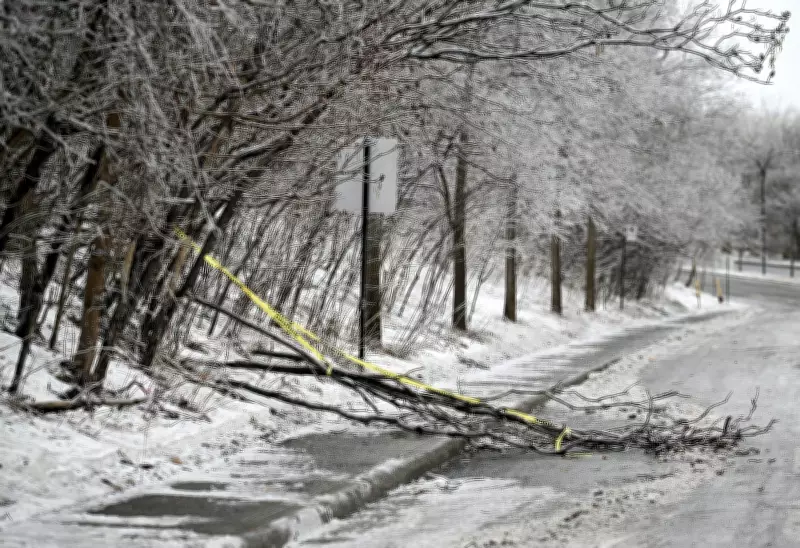
The timing of this announcement coincides with recent severe weather incidents across Canada, such as the ice storm in Montreal in March 2026, highlighting the ongoing importance of reliable weather communication. As climate change contributes to more frequent and intense weather events, the need for effective alert systems becomes even more critical. Environment Canada asserts that its digital platforms are better equipped to handle these evolving demands, offering real-time radar imagery, personalized forecasts, and push notifications that can reach a wider audience faster than radio ever could.
Looking Ahead: The Future of Weather Information in Canada
With Weatheradio going silent, Environment Canada is investing heavily in its online presence and app development. Future enhancements may include integration with smart home devices, more detailed regional forecasts, and improved multilingual support to serve Canada's diverse population. The agency also plans to collaborate with telecommunications companies to strengthen network resilience during emergencies, ensuring that digital alerts remain functional even in adverse conditions.

This transition reflects a global trend toward digitalization in meteorology, as other countries similarly phase out legacy systems in favor of internet-based solutions. While the loss of Weatheradio may evoke nostalgia for some, it underscores a broader shift toward a more connected and technologically advanced approach to public safety and environmental monitoring in the 21st century.