Wildfire Season Officially Begins in Nova Scotia and Prince Edward Island
The annual wildfire season is set to start this Sunday in Nova Scotia and Prince Edward Island, marking a critical period for fire management and public safety across the Atlantic provinces. Authorities are emphasizing the need for vigilance as communities brace for potential blazes, with recent history underscoring the risks involved.
Historical Context and Current Preparedness
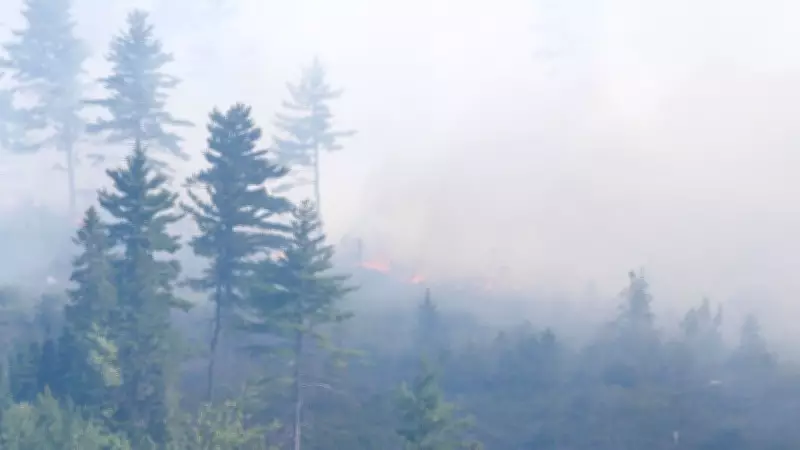
In Nova Scotia, memories of past wildfires, such as the significant burn at Seven Mile Lake in Annapolis County, remain fresh. This incident, documented by Communications Nova Scotia, serves as a stark reminder of the destructive power of wildfires and the importance of proactive measures. Officials have been ramping up preparedness efforts, including public awareness campaigns and resource allocation, to mitigate risks during the upcoming season.
Environmental factors, including climate change and fluctuating weather patterns, are contributing to longer and more intense wildfire seasons in the region. Experts warn that rising temperatures and drier conditions could exacerbate fire hazards, making early detection and rapid response crucial. Residents are advised to follow local guidelines, such as adhering to burn bans and reporting suspicious smoke promptly.

Broader Implications and Community Impact
The start of wildfire season coincides with other regional news, but it highlights a pressing environmental issue that affects both rural and urban areas. In Nova Scotia, for instance, search operations continue for a missing ice fisherman in Annapolis County, illustrating the diverse challenges faced by communities during this time. Similarly, in Prince Edward Island, authorities are monitoring conditions closely to prevent small incidents from escalating into major disasters.
Public cooperation is essential, as human activities often spark wildfires. Common causes include unattended campfires, discarded cigarettes, and equipment use. By fostering a culture of responsibility, individuals can help reduce the likelihood of fires and protect natural landscapes.
As the season unfolds, ongoing updates from fire services and environmental agencies will be vital. Residents should stay informed through official channels and prepare emergency kits in case of evacuations. The collective effort to safeguard lives and property underscores the importance of this annual period in Atlantic Canada.