Wildfire Aftermath: Drinking Water Contamination Persists for Years, Study Reveals
British Columbia residents have long been cautioned about the immediate health dangers posed by wildfire smoke and degraded air quality. However, a groundbreaking study led by University of British Columbia researchers has uncovered a more insidious and prolonged threat: contaminated drinking water that can linger for months or even years after the flames have been extinguished.
Persistent Pollutants in Water Systems
The research, published in the journal Science of the Total Environment, demonstrates that sediment, nutrients, heavy metals, and chemicals used to combat wildfires remain in the environment long after fires subside. These contaminants become particularly problematic when storms or seasonal snowmelt flush accumulated ash and debris into rivers and watersheds, introducing pollutants into water supplies.
Qingshi Tu, an assistant professor at UBC and the study's corresponding author, expressed surprise at the significant spikes in contaminants observed in water samples from various global wildfire sites six months or more after the fires were out. "We were surprised by huge spikes in contaminants in the water of several different wildfires around the world six months or more after the blaze was out," Tu noted.

Climate Change Intensifies the Risk
The study directly links increasing water contamination risks to climate change, which is causing more frequent and severe droughts. These conditions, in turn, elevate the frequency and intensity of wildfires both in British Columbia and worldwide. "Climate change is causing more drought, which increases the frequency and intensity of wildfires in B.C. and around the world. And with more intense fires comes an increased risk of water contamination," Tu explained.
While contaminated water can lead to various health issues, Tu emphasized that panic is unnecessary because most communities possess technology to remove pollutants at water treatment facilities. However, he cautioned that the instability created by post-fire contamination spikes places additional burdens on these systems. "After the snow melts, contaminants are released in the water. Then the drinking water treatment plant will all of a sudden see a spike in the concentration of pollutants. So we are not saying that they cannot handle this. They do have technology to handle this, but this instability adds burden to the downstream drinking water treatment," he stated.
Real-World Impacts and Financial Consequences
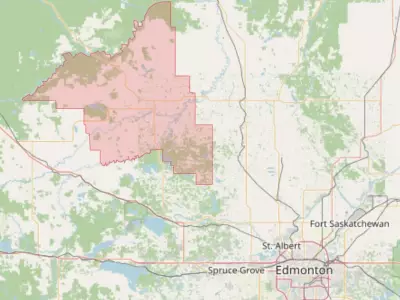
The research highlights tangible examples of this phenomenon. Following the 2016 Fort McMurray wildfires in Alberta, rivers exhibited elevated levels of sediment, nitrogen, phosphorus, and lead. This contamination compelled the regional district to increase annual spending on treatment chemicals by approximately $500,000 to manage wildfire-induced changes in raw water quality.
Tu stressed the importance of understanding the extent and duration of contaminant presence in water to enable governments to identify high-risk areas and allocate funding for post-fire water treatment. "It's important to understand how much of these contaminants end up in the water and how long they stick around so governments can identify areas of concern and set aside funding for water treatment after fires," he said.
Beyond the Smoke: Hidden Dangers
The study urges a broader perspective on wildfire impacts beyond visible smoke plumes and orange skies. "The motivation is that when we think about wildfires, we see smoke plumes and orange sky. So this is very obvious. But then, if you think a little bit further, the smoke contains particles with chemicals," Tu remarked, adding that burning biomass can release carcinogenic materials that do not remain airborne indefinitely but settle into water systems.
For this comprehensive analysis, researchers examined 23 water quality reports across 28 watersheds globally, comparing levels of sediment, nutrients, metals, organic carbon, ions, and wildfire-fighting chemicals before and after fires. The findings underscore the critical need for enhanced monitoring and proactive measures to safeguard drinking water in wildfire-prone regions as climate change exacerbates these environmental challenges.