UBC Research Sheds Light on Wildfire Threats to B.C.'s Drinking Water Systems
A groundbreaking study from the University of British Columbia (UBC) has raised alarms about the potential impacts of wildfires on drinking water quality across British Columbia. The research, published in early 2026, underscores how more frequent and intense wildfires could compromise water sources, affecting communities throughout the province.
Key Findings from the Study
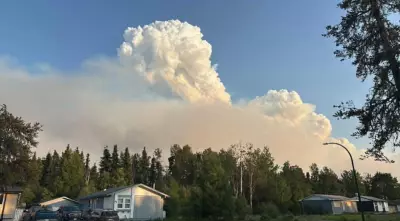
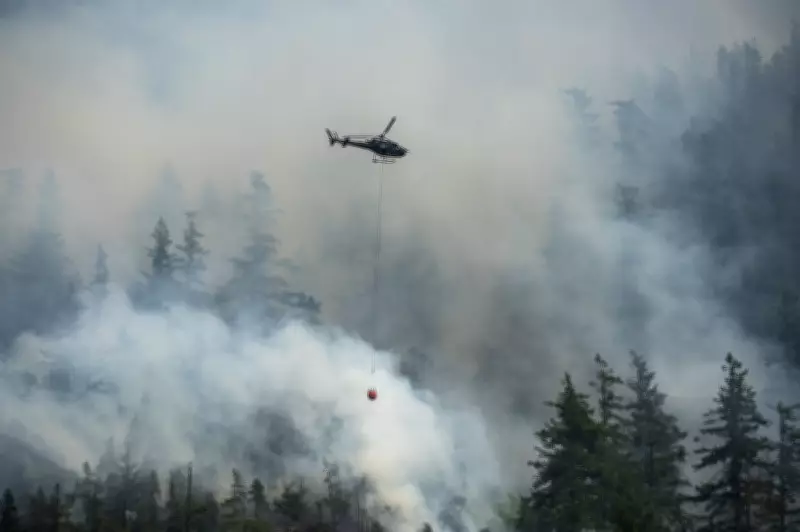
The UBC study analyzed data from recent wildfire seasons, including events like the Dryden Creek fire north of Squamish in June 2025. Researchers found that wildfires can lead to increased sedimentation, chemical runoff, and contamination in watersheds. These changes may degrade water quality, necessitating more intensive treatment processes and posing health risks to residents.
According to the report, the aftermath of wildfires often includes ash and debris washing into rivers and reservoirs, which can introduce harmful substances such as heavy metals and organic compounds. This contamination can persist for years, straining water treatment facilities and increasing costs for municipalities.

Broader Implications for Public Health and Infrastructure
The study emphasizes that as climate change fuels more severe wildfires, B.C.'s drinking water infrastructure faces growing challenges. Water utilities may need to upgrade their systems to handle higher levels of pollutants, which could involve significant financial investments. Additionally, rural and Indigenous communities, which often rely on untreated or minimally treated water sources, are particularly vulnerable to these impacts.
Researchers recommend proactive measures, including:
- Enhancing watershed management practices to reduce erosion and runoff.
- Investing in advanced water treatment technologies to filter out contaminants.
- Developing early warning systems to monitor water quality during and after fire events.
This study adds to a growing body of evidence linking environmental disasters to water security issues, highlighting the need for integrated approaches to wildfire and water resource management in B.C.