California Wildflower Study Uncovers New Evolutionary Process
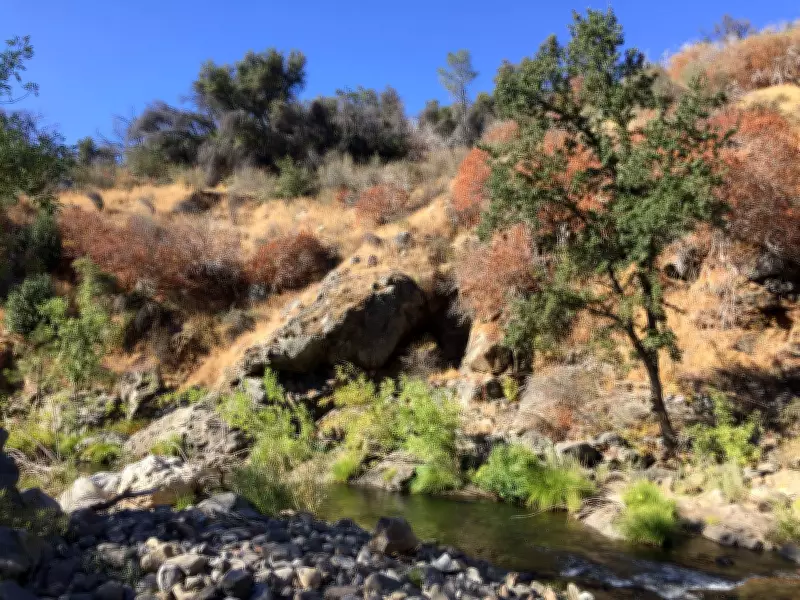
A recent scientific investigation into a wildflower population in California has led to the discovery of a previously undocumented evolutionary process. The research, focusing on monkeyflowers thriving along a California stream, provides significant new understanding of how species evolve and adapt over time.
Groundbreaking Research on Monkeyflowers
The study, which was published in a peer-reviewed journal, meticulously examined the genetic and ecological dynamics of monkeyflowers in their natural habitat. Scientists observed that these plants exhibit unique adaptive traits that challenge conventional evolutionary theories. This finding represents a major advancement in evolutionary biology, as it highlights a novel mechanism through which biodiversity can emerge.
Daniel Anstett, a researcher involved in the study, contributed valuable data and imagery that supported the analysis. The team's work underscores the importance of field research in uncovering complex biological processes that laboratory studies might overlook.

Implications for Evolutionary Science
The newly documented process involves rapid genetic changes in response to environmental pressures, such as water availability and soil composition. This suggests that evolution can occur more dynamically and unpredictably than previously assumed. Understanding these mechanisms is crucial for predicting how species might respond to climate change and habitat alterations.
Researchers emphasized that this discovery could have broader applications in conservation biology and ecosystem management. By recognizing how plants like monkeyflowers evolve, scientists can better protect vulnerable species and promote biodiversity in threatened regions.
Future Directions and Research
The study opens up several avenues for future investigation. Scientists plan to explore whether similar evolutionary processes occur in other plant species or in different geographic locations. Continued monitoring of the California stream ecosystem will be essential to track long-term evolutionary trends.
This research not only enriches our knowledge of evolutionary biology but also highlights the value of preserving natural habitats as living laboratories for scientific discovery. The findings remind us that nature still holds many secrets waiting to be uncovered through diligent study and observation.