Winnipeg Faces Backlash Over Plan to Use Rodenticides on Squirrels
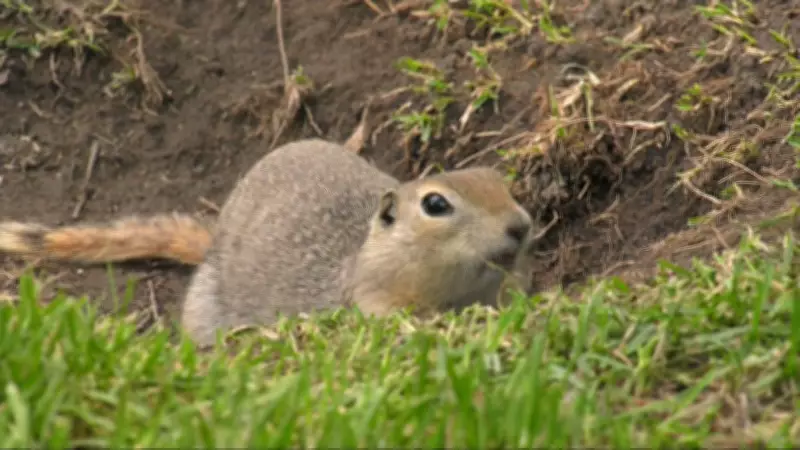
A ground squirrel is pictured in Winnipeg in an undated photo. (Daniel Halmarson/CTV News Winnipeg)
In a dramatic last-minute appeal, critics are urging the City of Winnipeg to abandon its plan to use rodenticides on ground squirrels, warning that the move poses significant risks to both wildlife and public safety. The city's decision, set to be implemented imminently, has sparked outrage among environmental advocates and concerned residents who argue that the chemicals involved are inherently dangerous.
"It's Simply Dangerous": The Core of the Opposition
Opponents of the rodenticide plan emphasize that these substances can have far-reaching and unintended consequences. Rodenticides are designed to kill rodents by causing internal bleeding or other fatal effects, but they do not discriminate in their impact. Non-target animals, including pets, birds of prey, and other wildlife, can be poisoned through secondary exposure when they consume contaminated squirrels or bait.

"It's simply dangerous," stated one advocate, highlighting the potential for ecological harm. The appeal stresses that the use of such chemicals in urban areas like Winnipeg could lead to a cascade of negative effects, disrupting local ecosystems and endangering species that play crucial roles in natural pest control.
Health and Environmental Risks Amplified
Beyond wildlife, public health concerns are at the forefront of the debate. Rodenticides can leach into soil and water sources, posing contamination risks that might affect human populations over time. Children and pets are particularly vulnerable to accidental ingestion, which could result in severe poisoning incidents requiring emergency medical attention.
The city's rationale for the plan likely centers on managing squirrel populations that may cause property damage or nuisance. However, critics argue that alternative, non-lethal methods should be prioritized. These could include:
- Habitat modification to make areas less attractive to squirrels.
- Exclusion techniques such as sealing entry points in buildings.
- Public education campaigns on coexistence and preventive measures.
A Call for Immediate Action and Reevaluation
As the city moves forward, the last-minute appeal serves as a urgent plea for reconsideration. It calls on Winnipeg officials to halt the rodenticide deployment and engage in a more transparent dialogue with the community. This includes exploring integrated pest management strategies that balance effective control with environmental stewardship.
The controversy underscores a broader tension in urban wildlife management, where quick fixes often clash with long-term sustainability goals. In Winnipeg, the outcome of this appeal could set a precedent for how cities across Canada address similar challenges, emphasizing the need for policies that protect both public interests and ecological integrity.
With the plan on the brink of implementation, all eyes are on Winnipeg's response. Will the city heed the warnings and pivot to safer alternatives, or proceed with a method deemed "simply dangerous" by its critics? The decision will resonate far beyond the immediate squirrel population, impacting the health of Winnipeg's environment and its residents for years to come.