Hectic Winter Weather Takes a Heavy Toll on Canadian Infrastructure
This winter season has proven exceptionally harsh for cities across Canada, as a series of major winter storms and prolonged periods of extreme cold have wreaked havoc on critical infrastructure. From coast to coast, municipalities are grappling with the costly and disruptive aftermath, highlighting vulnerabilities in systems designed to withstand typical seasonal conditions.
Widespread Damage and Disruptions
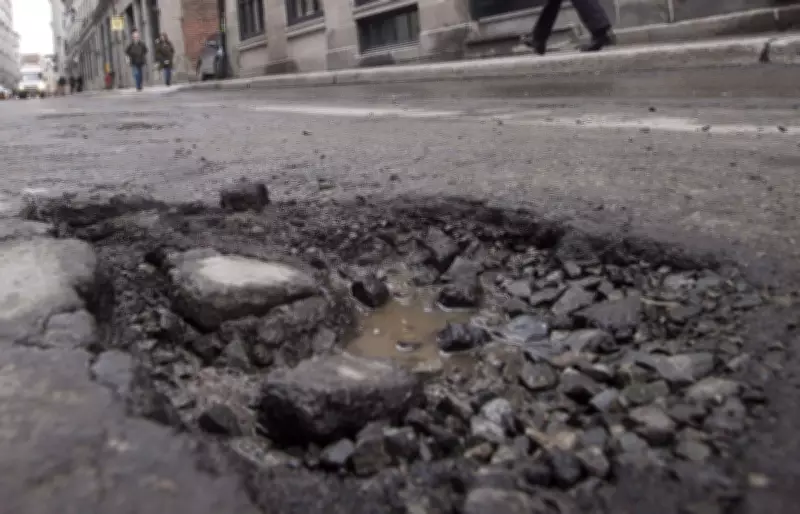
The relentless weather has led to significant damage to roads, bridges, and public utilities, causing delays, safety hazards, and economic strain. In many urban centers, aging infrastructure has been pushed to its limits, resulting in failures that affect daily life and emergency services. Transportation networks have been particularly hard-hit, with icy conditions and heavy snowfall leading to accidents, closures, and maintenance backlogs that could take months to address fully.
Environment Canada has issued numerous warnings, including alerts for reduced visibility due to flurries in Ottawa and other regions, compounding the challenges for commuters and city workers. The cumulative effect of these storms underscores a growing concern among experts about the increasing frequency and intensity of extreme weather events linked to broader climate patterns.

Broader Implications for Climate Resilience
Beyond immediate repairs, this winter's toll raises urgent questions about Canada's preparedness for future climate-related challenges. Infrastructure investments and policy adjustments may be necessary to enhance resilience against similar events, which scientists predict could become more common. The situation serves as a stark reminder of the tangible impacts of climate change on urban environments, prompting calls for proactive measures to safeguard communities.
As cities assess the damage and plan for recovery, the focus is shifting toward long-term strategies that integrate climate adaptation into infrastructure planning. This winter's experience may accelerate discussions on sustainable development and the need for robust systems capable of withstanding the unpredictable forces of nature.