Here is the latest news concerning climate change and biodiversity loss in British Columbia and around the world, from the steps leaders are taking to address the problems to the most up-to-date science.
Drought forces earlier watering restrictions in Metro Vancouver
Metro Vancouver is activating Stage 2 water restrictions earlier this year because of drought concerns. Below-normal snowpack levels and forecasts indicating a hot and dry summer ahead have prompted the move. The restrictions aim to reduce water consumption and preserve supply for essential uses.
Global forest loss fell in 2025 but still 46 per cent higher than a decade ago
While global forest loss decreased in 2025 compared to previous years, it remains 46 per cent higher than a decade ago. This highlights ongoing challenges in combating deforestation and its contribution to climate change.

Record heat waves hit Europe last year as glaciers shrink and snow cover declines: WMO
The World Meteorological Organization reports that Europe experienced record heat waves in 2025, accompanied by shrinking glaciers and declining snow cover. These trends underscore the accelerating impacts of climate change.
B.C. gardeners and farmers prepare for record-high temperatures
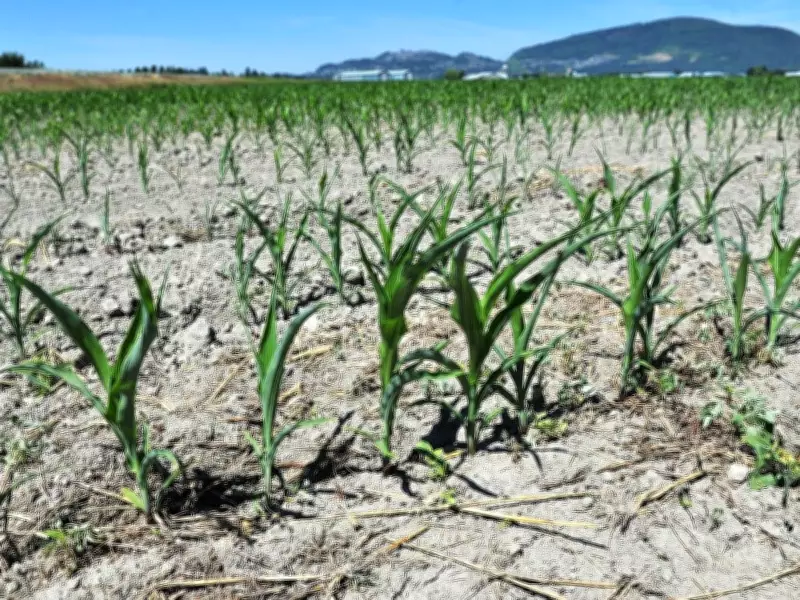
In anticipation of record-high temperatures, gardeners and farmers across British Columbia are taking proactive measures to protect crops and manage water resources. The agricultural sector faces significant challenges from extreme heat and drought.
Climate science overview
Human activities like burning fossil fuels and farming livestock are the main drivers of climate change, according to the UN’s Intergovernmental Panel on Climate Change. These activities increase heat-trapping greenhouse gas levels in Earth’s atmosphere, raising the planet’s surface and ocean temperature.
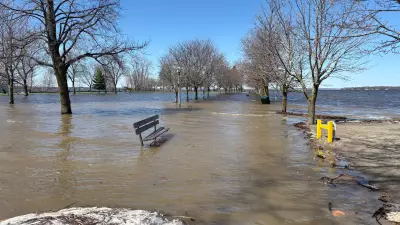
The panel, which includes scientists from around the world, including researchers from B.C., has warned for decades that wildfires and severe weather—such as the province’s deadly heat dome and catastrophic flooding in 2021—would become more frequent and intense due to the climate emergency. It has issued a code red for humanity and warns that the window to limit warming to 1.5 degrees Celsius above pre-industrial times is closing.
According to NASA climate scientists, human activities have raised the atmosphere’s carbon dioxide content by 50 per cent in less than 200 years, and there is unequivocal evidence that Earth is warming at an unprecedented rate.
As of March 5, 2026, carbon dioxide in the atmosphere was 429.35 parts per million, up from 428.62 ppm the previous month, according to the latest available data from NOAA measured at the Mauna Loa Observatory in Hawaii. The NOAA notes a steady rise in CO2 from under 320 ppm in 1960.

Quick facts
- The global average temperature in 2023 reached 1.48 degrees Celsius higher than the pre-industrial average, according to the EU’s Copernicus Climate Change Service. In 2024, it breached the 1.5 degrees Celsius threshold at 1.55 degrees Celsius.
- 2025 was the third warmest year on record after 2024 and 2023, capping the 11th consecutive warmest years.
- Human activities have raised atmospheric concentrations of CO2 by nearly 49 per cent above pre-industrial levels starting in 1850.
- The world is not on track to meet the Paris Agreement target to keep global temperature from exceeding 1.5 degrees Celsius above pre-industrial levels, the upper limit to avoid the worst fallout from climate change including sea level rise, and more intense drought, heat waves and wildfires.
- UNEP’s 2025 Emissions Gap Report shows that even if countries meet emissions targets, global temperatures could still rise by 2.3 to 2.5 degrees Celsius this century.
- In June 2025, global concentrations of carbon dioxide exceeded 430 parts per million, a record high.
- There is global scientific consensus that the climate is warming and that humans are the cause.