Climate Change Disrupts Nighttime Firefighting Windows, Study Warns
Climate change is systematically eroding the typical nighttime breaks in wildfire activity that have long provided crucial windows for firefighting operations, according to a new scientific study. This development poses significant challenges for emergency responders and communities in fire-prone regions like British Columbia.
Vanishing Nighttime Respite
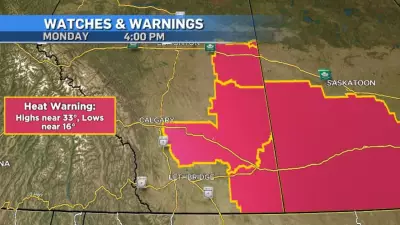
The research indicates that hotter and drier summer conditions, which have become increasingly common across British Columbia, are fundamentally altering fire behavior patterns. Historically, cooler nighttime temperatures and higher humidity levels would naturally suppress fire activity, creating valuable periods when firefighters could gain ground on blazes. However, these critical lulls are becoming shorter and less predictable as climate change intensifies.
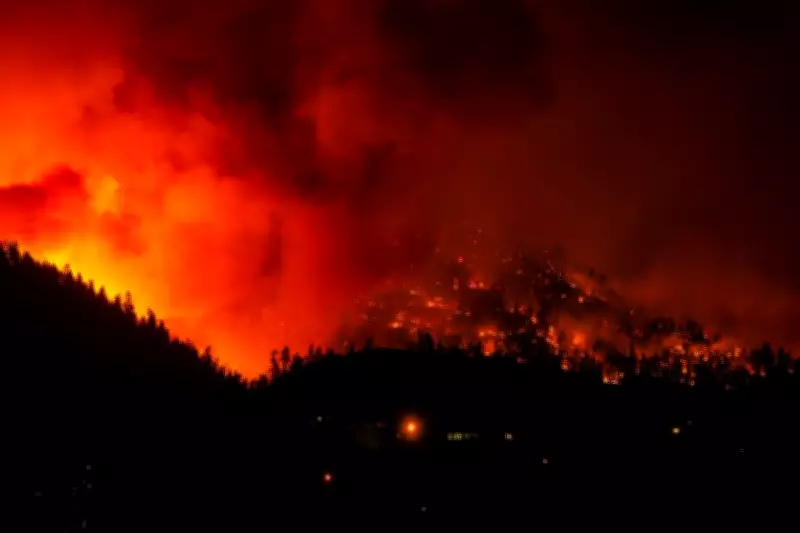
"We're seeing a concerning trend where fires continue to burn actively through what should be recovery periods," explained one of the study authors. "This means firefighters have fewer opportunities to contain fires during traditionally quieter hours."

Implications for British Columbia
In British Columbia, where wildfire seasons have grown longer and more intense in recent years, this phenomenon has particular significance. The province has experienced record-breaking fire seasons with devastating consequences for communities, ecosystems, and air quality. The erosion of nighttime fire breaks compounds existing challenges created by prolonged drought conditions and increased lightning activity.
The study notes that several factors contribute to this trend:
- Warmer overnight temperatures that prevent sufficient cooling
- Lower humidity levels that fail to moisten fuels adequately
- Increased fuel dryness from prolonged heat waves
- Changing wind patterns that can maintain fire activity through the night
Broader Climate Context
This research aligns with broader climate science indicating that human-caused climate change is amplifying extreme weather events worldwide. The findings come as Canada's emissions reductions reportedly slowed in 2024 according to federal data, highlighting the ongoing challenge of addressing the root causes of climate change.
"What we're witnessing is a fundamental shift in fire ecology," the researchers emphasized. "The rules that guided fire behavior and firefighting strategies for generations are changing before our eyes."
Future Projections and Preparedness
Looking ahead, the study projects that this trend will likely continue and potentially intensify as global temperatures rise. This has implications not only for fire management but also for community planning, emergency response protocols, and public safety messaging.
Fire agencies may need to adapt their strategies to account for reduced nighttime recovery periods, potentially requiring different staffing patterns, equipment deployment, and tactical approaches. The research underscores the importance of both mitigation efforts to address climate change and adaptation measures to cope with its already-manifesting effects.
The study represents another piece of evidence in the growing body of research documenting how climate change is transforming natural systems and challenging human responses to environmental hazards.