Egypt's Energy Crisis Brings Darkness, Echoing Ancient Passover Plagues
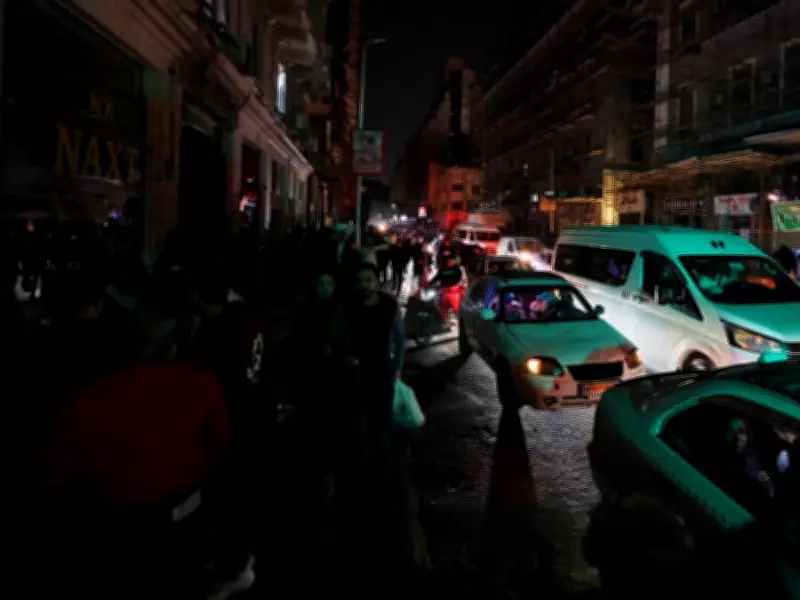
Darkness has descended upon Egypt in a modern manifestation that eerily echoes biblical narratives. Due to the severe energy crisis triggered by the ongoing American-Israeli war against Iran, Egyptian authorities have implemented drastic measures that have transformed daily life across the nation.
Shops and restaurants have been ordered to close early, while streetlights have been significantly dimmed across urban centers. Cairo, typically vibrant with commerce and social activity well into the night, now falls quiet and dark much earlier than usual. The government implemented these conservation measures to mitigate the economic fallout from the geopolitical conflict affecting energy supplies.
Historical Parallels to Ancient Plagues
The current situation draws striking parallels to the ninth plague described in the Torah during the Passover story. According to biblical accounts, darkness covered ancient Egypt for three days as one of ten plagues inflicted upon Pharaoh and his people. This darkness was described as so profound and tangible that it could be physically felt, ultimately contributing to Pharaoh's decision to release the Israelites from bondage.

In theological interpretation, this darkness represented more than mere absence of light—it symbolized nothingness, non-existence, and a return to primordial emptiness. The plague served as preparation for the ultimate tenth plague, the death of the firstborn, which led to the Passover exodus that both Jewish and Christian traditions commemorate during their respective holy seasons.
Cultural and Religious Significance
The darkness holds particular significance in Egyptian religious history. Ancient Egyptian cosmology centered around Ra, the sun god who presided over their pantheon. The biblical plague of darkness essentially dethroned this central deity, demonstrating the supremacy of the God of Israel over Egyptian gods.
This theological contrast extends to concepts of light and darkness across religious traditions. While ancient Egyptians and other cultures often deified celestial bodies, Hebrew scripture presents light as existing before the sun, moon, or stars—originating directly from the divine source of being itself.
Modern Implications and Symbolism
The current energy-induced darkness in Egypt creates a powerful contemporary metaphor. Just as ancient darkness served as an antechamber to death and transformation, today's literal darkness reflects the broader geopolitical and economic challenges facing the region.
This modern darkness also invites reflection on light's symbolic meaning across religious traditions. From Genesis' "Let there be light" to Easter narratives of light emerging from tombs, light consistently represents hope, revelation, and divine presence overcoming darkness and death.
The situation in Egypt serves as a stark reminder of how geopolitical conflicts can manifest in tangible, life-altering ways for civilian populations. As energy conservation measures continue, the darkness enveloping Egyptian cities provides both practical challenges and opportunities for reflection on historical, religious, and contemporary intersections of light, darkness, and human resilience.