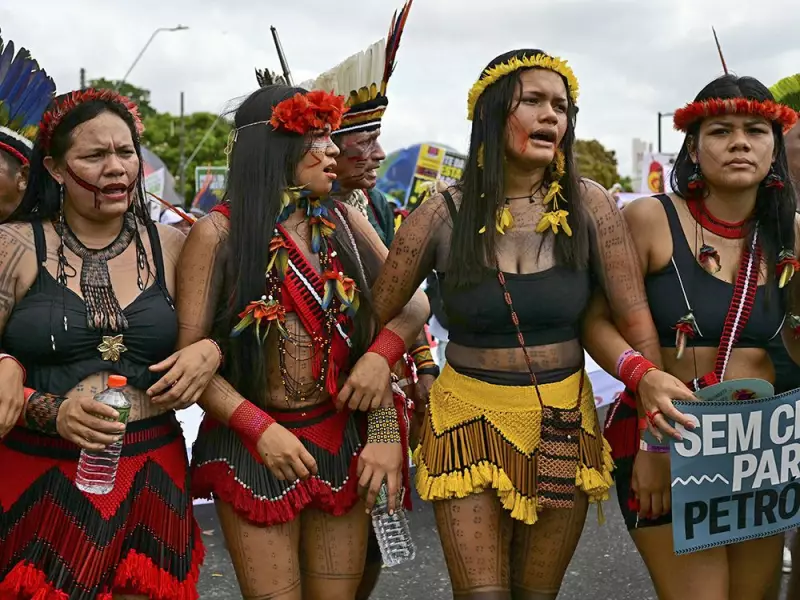
A significant conflict over the fundamental definition of gender is now threatening to undermine the progress of the COP30 United Nations climate conference in Belem, Brazil. The diplomatic row emerged after six governments—Paraguay, Argentina, Iran, Indonesia, Malaysia, and the Vatican—moved to attach their own interpretive footnotes to a crucial negotiating text, a move that could block the formal recognition of trans and non-binary individuals within the UN's climate framework.
Political Battle Over Definitions
The effort, which involves adding footnotes to the conference's key documents, seeks to redefine the term 'gender' in a way that excludes transgender and non-binary people. Negotiators familiar with the situation have expressed deep concern, warning that this action sets a 'harmful precedent' that could potentially spill over into other collective decisions made by the UN Framework Convention on Climate Change (UNFCCC).
The tension has become so palpable that one source close to the negotiations, who spoke on condition of anonymity, revealed the growing frustration. 'It’s become a bit ridiculous,' the source stated on Wednesday, 'we have six footnotes right now; should we have 90?' This sentiment highlights the fear that allowing such individual interpretations could fragment the consensus-based process essential to international climate diplomacy.

International Condemnation and Backlash
The controversial move has drawn sharp criticism from other participating nations. Alicia Barcena, the environment secretary of Mexico, which is led by progressive President Claudia Sheinbaum, was unequivocal in her disapproval. 'We do not agree at all with what some countries are putting in the agenda footnotes,' Barcena told AFP. She emphasized, 'We feel we are going backwards—we should never go backwards.'
In response to the escalating sensitivity of the issue, the Brazilian presidency of COP30 has been forced to elevate the matter from technical-level discussions to a higher political level. Ministers are now directly involved in an attempt to broker a compromise and prevent the dispute from derailing the entire conference.
What's at Stake: The Gender Action Plan
The core of the conflict revolves around the updated Gender Action Plan (GAP), a document designed to guide work on gender and climate change for the coming decade. The plan is meant to mainstream gender considerations across all climate programs, a critical objective given that women and girls face disproportionate impacts from climate change. According to the UN, this is largely because they constitute the majority of the world's poor and are more dependent on local natural resources for their livelihoods.
Despite decades of commitments to gender equality in climate action, representation remains a problem. Data from the Women’s Environment and Development Organization (WEDO) shows that women account for just 35 per cent of delegates at the COP30 conference in Belem.
The footnotes reveal the deeply entrenched red lines of the dissenting parties. For the Vatican, the Holy See's footnote specifies it understands gender as 'grounded on the biological sexual identity that is male and female.' Meanwhile, Argentina, under the leadership of President Javier Milei, has actively rolled back gender-equality policies and attacked what he calls the 'cancer' of 'wokeism.' This alignment with a rising global right-wing trend opposed to progressive social policies has now found a direct outlet in the climate negotiations, creating an unexpected and challenging obstacle for achieving global environmental goals.