A landmark energy agreement between the federal government and Alberta is facing fierce criticism from climate advocates, who warn it could initiate a dangerous "race to the bottom" on Canada's environmental policies. The deal, which paves the way for a new West Coast pipeline, has prompted a high-profile resignation and raised alarms that other provinces will now seek similar exemptions from national climate rules.
The Deal and Its Controversial Concessions
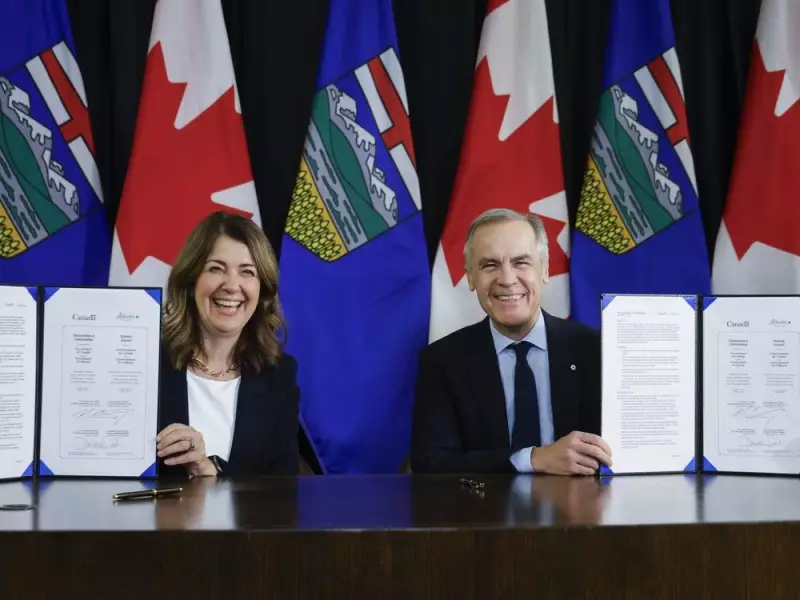
Prime Minister Mark Carney and Alberta Premier Danielle Smith signed a memorandum of understanding (MOU) in Calgary on November 27, 2025. While the agreement commits Alberta to strengthening its industrial carbon price, it also includes significant concessions for the province. These include extending the timeline for cutting highly polluting methane emissions and suspending the application of federal clean electricity regulations, measures that are central to Canada's climate plan.
Rick Smith, President of the Canadian Climate Institute, condemned these political "carve-outs" as a short-sighted compromise. In a statement, he argued that such exemptions will ultimately increase emissions of planet-warming gases. "That could trigger a race to the bottom," Smith warned, suggesting the deal sets a precedent that invites other provinces to lobby for their own special treatment.

Political Fallout and Broader Implications
The agreement's immediate repercussions were swift and significant. Federal Culture Minister Steven Guilbeault, the former environment minister who helped architect key Liberal climate policies under Justin Trudeau, resigned in protest. The deal also sparked anger in British Columbia, whose premier expressed frustration at being excluded from discussions about a pipeline that would traverse the province's boreal forest.
While the MOU does not approve a specific pipeline, it commits both governments to work toward building one to the West Coast. Prime Minister Carney has defended the pact, stating it will help diversify Canadian exports, strengthen the economy, and advance carbon capture projects. However, critics point out that carbon capture addresses emissions from production but not the far larger share generated when oil is ultimately burned in vehicles or elsewhere.
Provincial Reactions and a Warning from Saskatchewan
The prospect of a domino effect is already materializing. Saskatchewan Premier Scott Moe has voiced support for the proposed pipeline project. Meanwhile, environmental leaders in the province are sounding the alarm about the federal government's shifting direction.
Peter Prebble, Executive Director of the Saskatchewan Environmental Society, said he is "stunned by the Liberal government to completely reverse its course." He called the agreement a huge mistake and a dramatic departure from Carney's previous commitments, notably referencing the Prime Minister's former role as a United Nations climate change envoy.
Prebble further warned that the suspension of clean electricity rules for Alberta undermines Canada's ability to market a uniformly low-pollution electrical grid across the country. This move, coupled with the potential environmental impact of a new pipeline through British Columbia's sensitive ecosystems, presents a "very worrisome" scenario for the nation's climate ambitions and ecological health.