Climate scientists are raising alarms about the possibility of a "super El Nino" affecting Canada in 2026, with significant implications for weather patterns across the nation. According to recent reports, there is a substantial probability that Canadians could experience the effects of this powerful climate phenomenon later this year.
Probability and Timing of El Nino Events
Kent Moore, a professor of atmospheric physics at the University of Toronto, has publicly stated that there is approximately a 50% chance Canada could encounter strong El Nino events during the summer and extending into the fall months. This assessment comes from careful monitoring of oceanic and atmospheric conditions that signal the development of El Nino patterns.
Understanding El Nino and Super El Nino
El Nino is characterized by warmer than average sea surface temperatures in the eastern and central Pacific Ocean. When these temperatures rise significantly—specifically reaching 2 degrees Celsius or more above average—the event is classified as a "super El Nino." This distinction is crucial because it indicates more intense climatic effects.

During El Nino years, Canada typically experiences:
- Higher overall temperatures
- Milder winter conditions
- Altered precipitation patterns
Potential Consequences for Canada
While warmer temperatures might sound appealing to some Canadians, climate experts warn that these conditions come with significant risks. David Phillips, a climatologist from Environment and Climate Change Canada, has highlighted several potential impacts:
Reduced Ice Coverage: A super El Nino could lead to less ice formation on the Great Lakes, which might increase the frequency and intensity of lake-effect storms in surrounding regions.
Regional Weather Patterns: Historically, Western and Central Canada tend to experience milder than normal temperatures during El Nino events. However, the areas that become warmer during winter months often face more intense weather phenomena as a result of these temperature shifts.
Global Implications of El Nino Events
The effects of El Nino extend far beyond Canadian borders, creating worldwide climatic disruptions that can have severe consequences:
- Food Security: The 2015-2016 El Nino event affected food supplies for more than 60 million people globally, demonstrating how these climate patterns can threaten basic necessities.
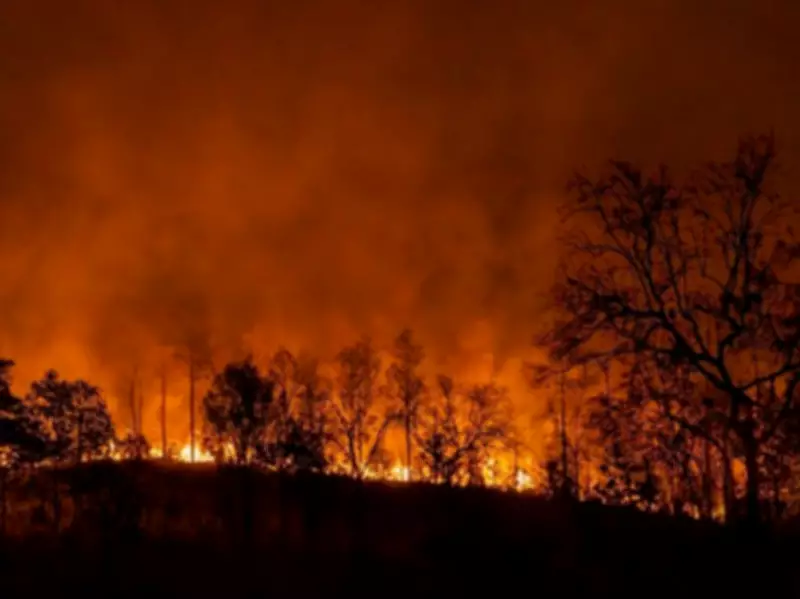
- Drought and Wildfires: Tropical regions including Southeast Asia, Australia, and central Africa typically experience drier conditions during El Nino years, increasing the risk of drought and wildfires.
- Infrastructure Strain: Energy systems and critical infrastructure worldwide face additional stress during significant El Nino events.
Conversely, some regions experience opposite effects. The southeastern United States and parts of Mexico have historically seen wetter conditions during El Nino periods, while La Nina events—characterized by cooler Pacific waters—typically reverse these patterns.
Monitoring and Preparedness
Climate scientists continue to monitor oceanic temperature patterns closely to provide more accurate forecasts about the potential development of El Nino conditions. As research advances, understanding of these complex climate interactions improves, allowing for better preparation and response strategies.
The possibility of a super El Nino in 2026 serves as a reminder of how interconnected global climate systems are and how regional weather patterns in Canada are influenced by broader environmental factors occurring thousands of kilometers away in the Pacific Ocean.