Spring Weather Forecast: A Slow Start Could Lead to a Hot, Dry Finish
The Weather Network has released its seasonal outlook for spring 2026, painting a picture of a season that may begin with uncertainty but end with intensity. According to meteorologists, Canadians should brace for a sluggish and volatile start to spring, characterized by fluctuating temperatures and unpredictable precipitation patterns. This erratic beginning is expected to gradually give way to a significant shift as the season advances.
Unpredictable Early Spring Conditions
The forecast highlights that the initial phase of spring will likely be marked by a lack of consistent warming. Cold snaps and sudden warm spells could alternate, creating a challenging environment for agriculture, outdoor activities, and daily planning. Regions across the country may experience delayed thaws, lingering snowpack in some areas, and periods of heavy rain or even late-season snowfall. This volatility is attributed to complex atmospheric patterns and residual winter influences that are slow to dissipate.
Transition to Warmer, Drier Weather
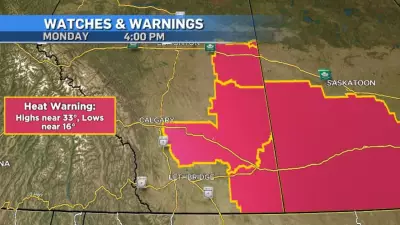
As spring progresses into late April and May, the Weather Network predicts a notable transition. The latter part of the season is anticipated to become increasingly hot and dry, setting the stage for potential early summer heatwaves. This shift could have significant implications, including:

- Elevated wildfire risks in forested regions
- Stress on water resources and agricultural irrigation needs
- Impacts on ecosystems and wildlife behavior
- Increased demand for cooling in urban areas
Meteorologists emphasize that this pattern aligns with broader climate trends observed in recent years, where seasonal transitions are becoming more pronounced and extreme.
Regional Variations and Preparedness
While the overall national trend points toward a hot, dry finish, regional variations will play a crucial role. Coastal areas might experience moderated temperatures due to maritime influences, whereas interior and prairie regions could face the brunt of the heat and dryness. The Weather Network advises Canadians to stay informed through regular updates and to prepare for the potential impacts of this seasonal forecast.
This outlook serves as a reminder of the dynamic nature of Canadian weather and the importance of adaptive planning in the face of changing climate patterns.