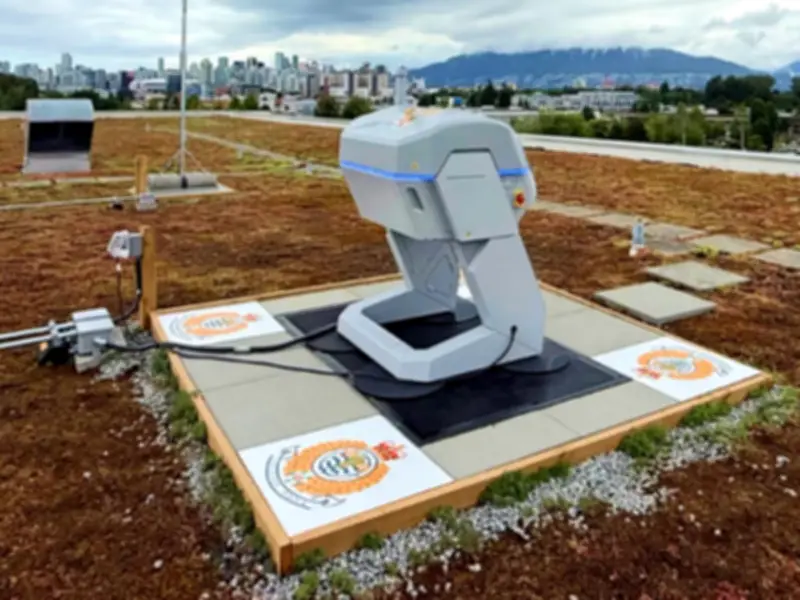
The Vancouver Police Department (VPD) has deployed six new Skydio X10 drones that can act as first responders, launching automatically from rooftop pods when an officer signals. The drones are designed to assist in emergencies, such as sending a drone to an officer being assaulted or streaming video of a crime in progress to responding officers. However, legal experts warn that the law has not kept pace with this technology, raising unanswered questions about privacy and oversight.
How the drones work
The drones sit in weatherproof pods on rooftops around Vancouver. They can be triggered by an officer tapping their body camera three times, which automatically sends a drone to their location. Alternatively, a pilot can direct a drone to a scene, where it arrives first and streams video to officers and the command centre. The VPD says the drones record images only when a pilot activates the camera, and operators constantly weigh privacy concerns.
Legal concerns
Kyla Lee, a Vancouver criminal defence lawyer, expects drone use to expand over time. “If there’s not a clear guideline in place, when police get the power to do something, they’re going to incrementally use it more and more until they hit a point at which they’re told to stop,” she said. She estimated that within 18 months to two years, VPD drone use will exceed what the department currently describes.

Lee points to Section 8 of the Charter of Rights and Freedoms, which protects against unreasonable search. Police generally need a warrant for searches that intrude on areas a person would reasonably expect privacy, such as a backyard or a view through a high window. “If they were to use it to surveil anything that couldn’t be seen from standing on a street corner … that would be a specific type of surveillance that they would need a warrant for,” she said.
No court rulings yet
Lee noted that no Canadian appeals court has ruled on police drone use, so it is unclear how such a case would be decided. Even if a court later found police overstepped, footage might still be admissible if officers genuinely believed they were following the law. She urged British Columbia to pass legislation governing police drones rather than leaving departments to set their own rules. “Leaving police to their own oversight usually leads to results that are not as consistent with the Charter as they could be,” she said.