The World Health Organization is urging countries to lift travel restrictions on Ebola-affected countries, just days after Canada's temporary ban on visitors from some nations came into effect. Canada's public health agency implemented the measure to curb the Ebola outbreak, but the WHO argues that such restrictions are ineffective and can hinder international response efforts.
Canada's Temporary Ban
Canada's public health agency is temporarily blocking visitors from some countries in an attempt to curb the Ebola outbreak. The measure has drawn criticism from global health experts who say travel bans are not based on scientific evidence and can actually worsen the situation by discouraging reporting and aid.
WHO's Position
The WHO has consistently advised against travel restrictions during disease outbreaks, stating that they are often ineffective and can cause economic harm. The organization emphasizes the importance of screening and monitoring travelers instead of imposing blanket bans.

Impact on International Response
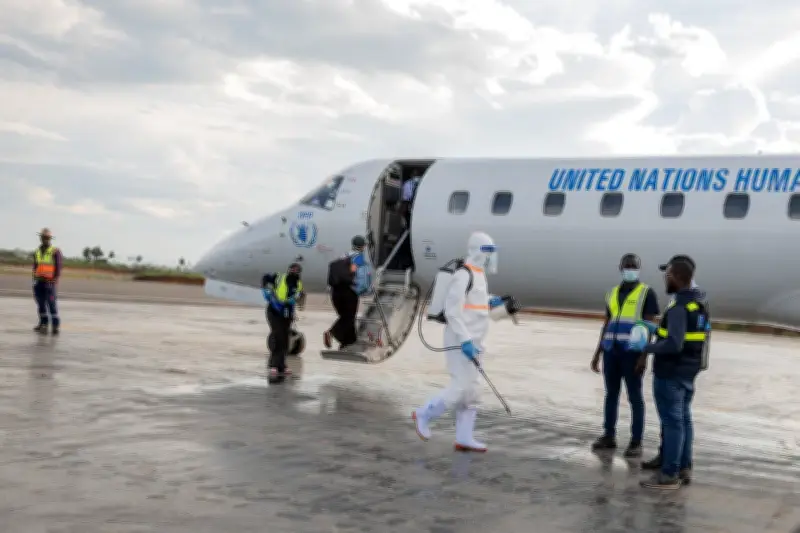
Travel restrictions can impede the flow of medical personnel and supplies to affected regions, making it harder to contain the outbreak. The WHO urges countries to focus on evidence-based measures such as surveillance, contact tracing, and public health education.
In related news, several other countries are considering similar measures, but the WHO continues to advocate for a coordinated international approach based on scientific recommendations.