High gas prices are driving a significant shift in consumer behavior, with more Canadian drivers turning to electric vehicles (EVs) to save on fuel costs. According to recent reports, demand for EVs has surged as prices at the pump remain elevated, prompting many to consider making the switch to electric.
EV Charging Infrastructure Sees Increased Usage
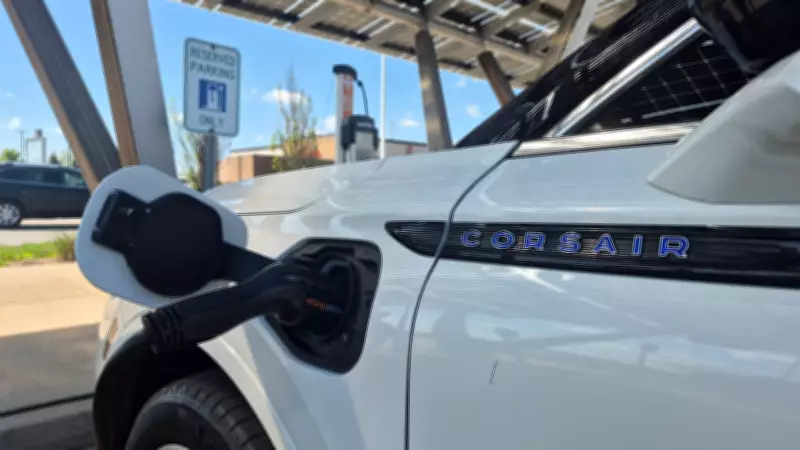
An electric vehicle was seen charging outside Devonshire Mall in Windsor, Ontario, on May 7, 2026, highlighting the growing reliance on public charging stations. The sight is becoming increasingly common as more drivers opt for EVs to mitigate the impact of high gasoline prices.
Industry Experts Weigh In
Industry analysts note that the trend is not limited to Windsor but is being observed across Canada. The combination of rising fuel costs and government incentives has made EVs a more attractive option for budget-conscious consumers. Dealerships report a notable uptick in inquiries and test drives for electric models.

Consumer Response
Many drivers express frustration with current gas prices, with some stating that the cost of filling up their tanks has become unsustainable. This has led to a reevaluation of transportation choices, with EVs emerging as a viable alternative. The increased interest is also driving demand for home charging equipment and public charging stations.
Government and Industry Support
The federal and provincial governments have introduced various incentives to encourage EV adoption, including rebates and tax credits. Automakers are also expanding their electric vehicle lineups, offering more models at different price points to meet growing demand.
Challenges Ahead
Despite the surge in interest, challenges remain, including the availability of charging infrastructure in rural areas and the higher upfront cost of EVs compared to traditional vehicles. However, as technology improves and production scales up, these barriers are expected to diminish.
Overall, the current gas price crisis is accelerating the transition to electric mobility, with far-reaching implications for the automotive industry and the environment.