Rising Gas Prices Spark Electric Vehicle Interest Among Maritimers
As the cost of gasoline continues its upward trajectory, a growing number of residents in Canada's Maritime provinces are turning their attention to electric vehicles (EVs) as a potential solution to mitigate the financial strain at the pump. This shift in consumer interest highlights a broader trend towards sustainable transportation options in response to economic pressures.
Economic Drivers Behind the EV Consideration
The steady increase in gas prices has become a significant concern for many Maritimers, who rely heavily on personal vehicles for daily commutes and travel across the region's vast landscapes. With fuel expenses consuming a larger portion of household budgets, the appeal of electric vehicles, which offer lower operating costs and reduced dependency on volatile oil markets, is gaining momentum. Experts note that this economic incentive is coupled with a growing environmental awareness, as EVs produce zero tailpipe emissions, aligning with global efforts to combat climate change.
Challenges and Opportunities in EV Adoption
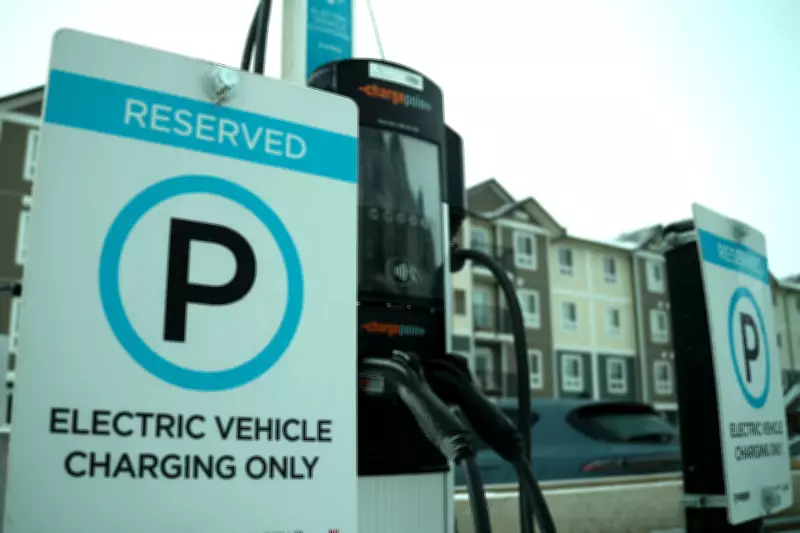
Despite the rising interest, the adoption of electric vehicles in the Maritimes faces several hurdles. Infrastructure limitations, such as a sparse network of charging stations, pose a practical challenge for potential EV owners, particularly in rural areas. Additionally, the higher upfront cost of electric vehicles compared to traditional gasoline-powered cars remains a barrier for many consumers. However, government incentives and rebates at both federal and provincial levels are helping to offset these costs, making EVs more accessible. Industry analysts predict that as technology advances and battery prices decline, electric vehicles will become increasingly competitive in the automotive market.

Broader Implications for the Region
The growing consideration of electric vehicles among Maritimers is not just a personal financial decision but also has wider implications for the region's economy and environment. Increased EV adoption could reduce greenhouse gas emissions, contributing to Canada's climate goals. Moreover, it may spur local investments in green infrastructure, such as expanded charging networks and renewable energy projects. This trend reflects a gradual but significant shift in transportation habits, as communities seek resilient and sustainable alternatives in the face of rising energy costs.
In summary, as gas prices climb, Maritimers are increasingly exploring electric vehicles as a viable alternative, driven by economic necessity and environmental consciousness. While challenges persist, supportive policies and technological advancements are paving the way for a potential transformation in the region's automotive landscape.