A proposed liquefied natural gas pipeline project traversing British Columbia's pristine wilderness is now facing multiple legal battles in provincial courts. Environmental groups and Indigenous communities have filed challenges, citing ecological risks and inadequate consultation.
Legal and Environmental Concerns
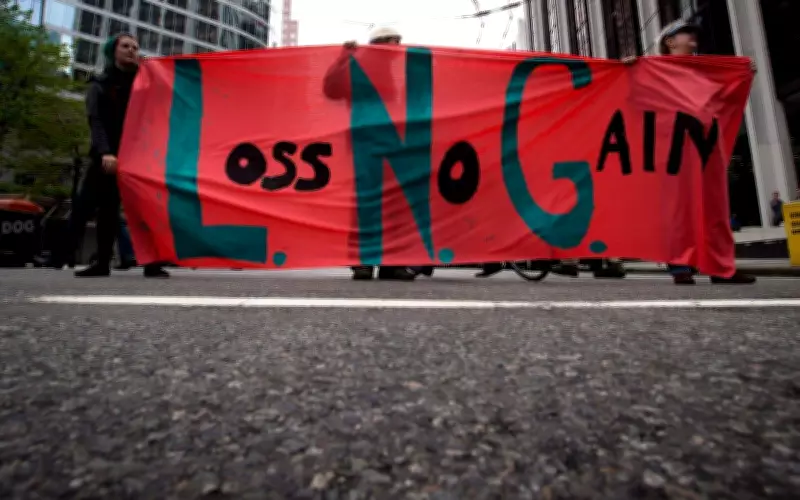
The pipeline, intended to transport natural gas from northeastern B.C. to the coast for export, has drawn sharp criticism from protesters who oppose fracking and LNG development. Demonstrators marched at a recent LNG conference in Vancouver, highlighting the tension between economic development and environmental preservation.
Indigenous Rights and Consultation
Indigenous leaders argue that the project violates their constitutional rights by failing to obtain free, prior, and informed consent. They contend that the pipeline's route crosses unceded territories and sensitive ecosystems, threatening traditional lands and wildlife.

Court proceedings are expected to examine whether the provincial government conducted adequate environmental assessments and engaged meaningfully with affected communities. Legal experts suggest the outcomes could set precedents for future energy projects in Canada.
Industry proponents maintain that the LNG project will bring economic benefits, including job creation and energy exports, while adhering to strict environmental standards. However, opponents remain steadfast, vowing to continue their legal fight to protect what they describe as irreplaceable wilderness.