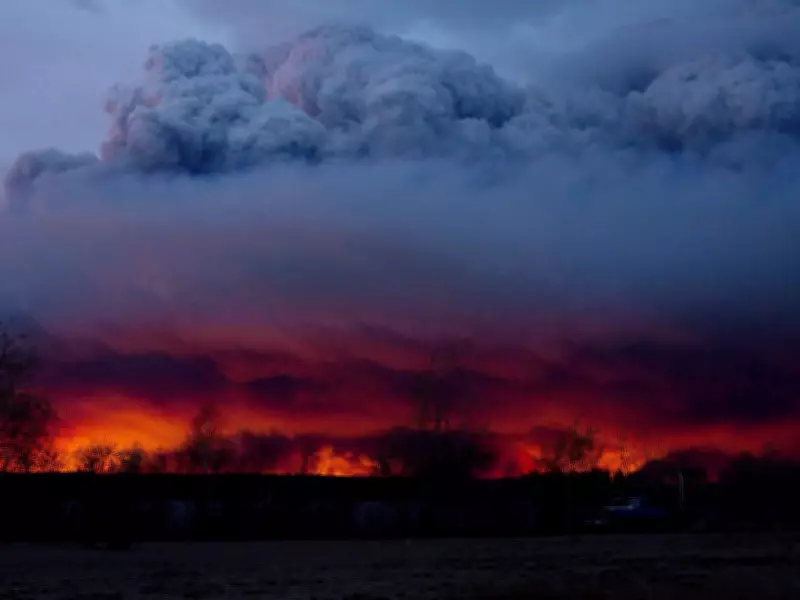
Ten years after the devastating Fort McMurray wildfire of 2016, the lessons learned are still shaping Alberta's firefighting strategies and policies. The Horse River wildfire, which forced the evacuation of approximately 90,000 residents, has prompted significant changes in how the province prepares for and responds to wildfires.
Earlier Wildfire Season
One of the most notable changes is the permanent shift of Alberta's wildfire season start date to March 1, making it the earliest in Canada. Christie Tucker, information unit manager with Alberta Wildfire, explained that the impact of the 2016 fire led to this adjustment. "We have the earliest start to wildfire season in the entire country because of the lasting impact of the Horse River wildfire. We realized we need more time," Tucker said. This earlier start allows for earlier hiring and training of firefighters and the gathering of resources, recognizing that Alberta's vegetation is vulnerable to wildfire in the windy period after snowmelt and before green-up.
New Firefighting Technology: Night Vision Helicopters
Technological advancements have also revolutionized firefighting. Alberta now employs seven night vision-equipped helicopters, enabling crews to fight fires around the clock. Night operations take advantage of cooler temperatures and higher humidity when wildfires are traditionally less active, allowing for significant progress overnight. "We have seven night vision-equipped helicopters for this year," Tucker noted, highlighting how this capability has changed the battle against wildland fires.

Legislative and Policy Changes
The 2016 wildfire prompted amendments to the Forest and Prairie Protection Act, increasing fines for individuals who fail to follow regulations aimed at reducing wildfire risk. These changes underscore the province's commitment to prevention and accountability.
Focus on the Wildland Urban Interface
The Fort McMurray fire also highlighted that wildfire risk is not limited to remote wilderness areas. The wildland urban interface—where communities and industry meet forests—is a growing concern. "Alberta has changed over the last 10-20 years… we have significant industry in the northern parts of the province and in the southern parts of the province, in areas that may not have been as populated as they are now," Tucker said. This has led to increased attention on protecting populated areas and industrial sites.
Ecological Regrowth and Renewed Risk
The burned areas around Wood Buffalo have seen lush regrowth, a natural cycle of fire and renewal that brings both ecological benefits and renewed fire risk. Tucker explained that this cycle shapes Alberta's landscape and biodiversity. "Regrowth is always good news, and that biodiversity is a good thing, and in the long run, it's certainly better for the environment than an extremely old growth forest that has not had fire in 100 years, you'll see a larger risk there," she said. The province continues to monitor these areas closely.
In summary, the legacy of the 2016 Fort McMurray wildfire is a transformed approach to wildfire management in Alberta, characterized by earlier preparedness, advanced technology, stricter regulations, and a heightened focus on the interface between wildlands and human activity.