Metro Vancouver has announced that residents should prepare for Stage 3 water restrictions to begin in June, as a low snowpack and a forecasted hot, dry summer are expected to strain the region's drinking water supply.
Low Snowpack and Dry Conditions
The regional district reported that this year's snowpack is well below normal, measuring only about 23 percent of the historical average. This is the lowest level since 2015. The combination of reduced snowpack and predictions of above-normal temperatures and below-average rainfall from Environment and Climate Change Canada has prompted the early move to stricter water regulations.
Stage 2 Restrictions Already in Place
For the first time, Metro Vancouver skipped Stage 1 restrictions and went directly to Stage 2 in May. Stage 2 bans residential and non-residential lawn watering until mid-October. Under Stage 3, lawn watering will remain prohibited, and additional restrictions will apply to watering trees and gardens, filling pools and hot tubs, and washing surfaces, vehicles, and boats. Rules for watering public and private sports fields will also become tighter.

Infrastructure Challenges
Work is underway to build a new water supply tunnel through Stanley Park. As a result, one of the region's key supply pipes from the North Shore reservoirs has been out of service since last fall. Staff warn that excessive water use while the pipe is offline could lead to decreased water pressure, affecting first responders' ability to use water during emergencies.
Forecast and Conservation Efforts
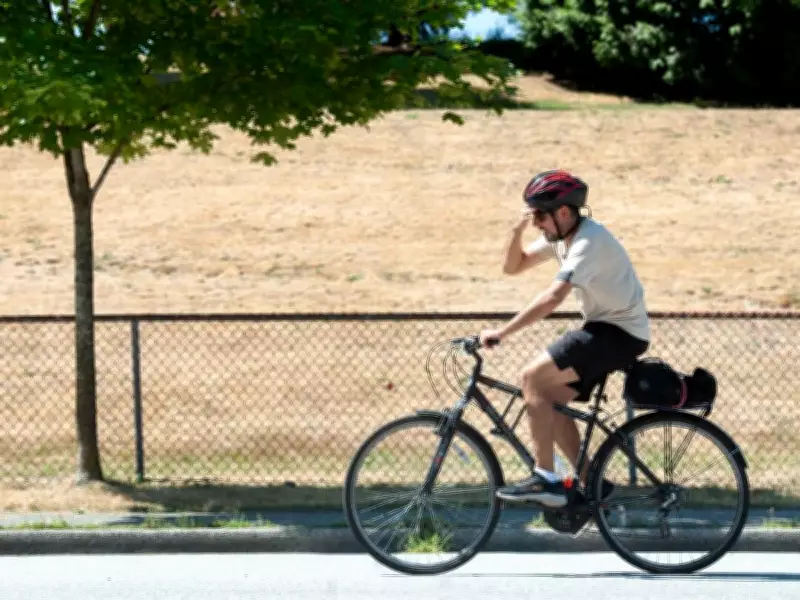
Environment and Climate Change Canada has forecast that 2026 could be one of the hottest years on record, with above-normal temperatures and below-average rainfall expected across B.C.'s South Coast. Metro Vancouver emphasizes that while reservoirs are at typical levels, the low snowpack and increased water demand due to outdoor use necessitate these restrictions. Residents are urged to conserve water to ensure adequate supply for essential needs and emergency services.