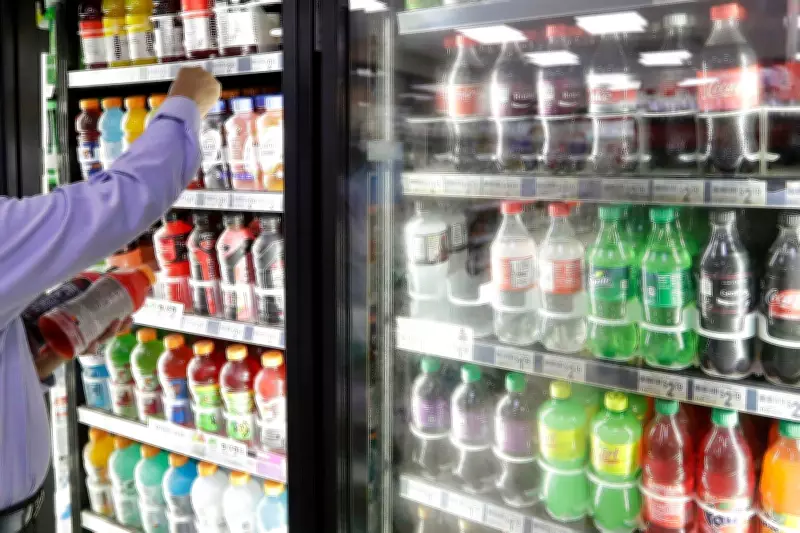
President Donald Trump has announced a relaxation of refrigerant regulations, aiming to address surging grocery costs across the United States. The move, which eases restrictions on certain hydrofluorocarbons (HFCs), is intended to lower operational expenses for supermarkets and food retailers, potentially reducing prices for consumers.
Policy Change Details
The revised rule allows businesses to use older, less expensive refrigerants that were previously phased out under environmental guidelines. Proponents argue that this will cut costs for refrigeration and air conditioning in grocery stores, which are major contributors to food prices. The Trump administration estimates that the change could save retailers billions annually, with savings passed on to shoppers.
Environmental Concerns
Environmental groups have strongly criticized the decision, warning that HFCs are potent greenhouse gases that contribute significantly to climate change. The Natural Resources Defense Council called the rollback a "dangerous step backward" that undermines global efforts to reduce emissions. However, the administration maintains that the economic benefits outweigh the environmental risks, especially for American families struggling with inflation.

Industry Reaction
The grocery industry has welcomed the policy shift. The Food Marketing Institute stated that the change provides much-needed relief for businesses facing tight margins. Small retailers, in particular, are expected to benefit from lower equipment and maintenance costs. Conversely, some major chains have already invested in newer, eco-friendly systems and may not see immediate savings.
Broader Economic Context
Grocery prices have risen sharply in recent years, driven by supply chain disruptions, labor shortages, and energy costs. The Trump administration views this regulatory change as a direct intervention to ease household financial burdens. Critics argue that the move is a short-term fix that ignores long-term climate consequences.
Next Steps
The rule change will take effect in 30 days. The Environmental Protection Agency is expected to issue updated guidelines for compliance. Legal challenges from environmental groups are anticipated, potentially delaying implementation. Meanwhile, consumer advocacy groups urge shoppers to monitor prices to ensure savings are passed on.