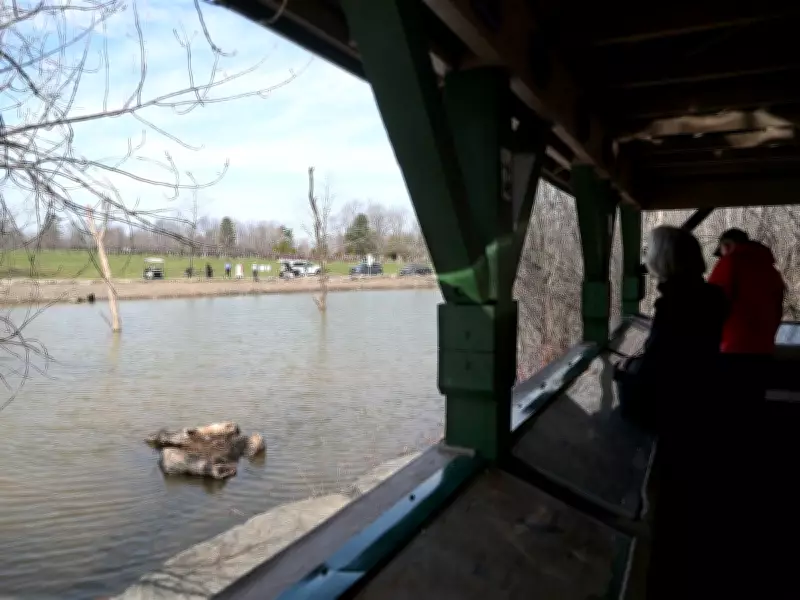
After a three-year rehabilitation process, the Macoun Marsh, nestled within Beechwood Cemetery in Ottawa, has been restored to a state that best promotes its natural biodiversity. On Earth Day, April 22, the newly restored marsh was officially unveiled to the public.
Restoration Efforts and Goals
The Beechwood Cemetery Foundation led the restoration project, which focused on improving the overall health of the greenspace. Key actions included removing invasive species and addressing water level issues that had hindered the marsh's ecosystem. The marsh, located in the southeast corner of the cemetery, is a beloved wetland known for its rich variety of wildlife against an urban backdrop.
Nick McCarthy, director of marketing, communications and community relations for Beechwood, emphasized the marsh's significance: "It's a place that people really identify with. That's the beauty of the marsh." He noted that while the marsh was never fully closed during the restoration, safety restrictions were in place due to heavy machinery and hazards. With the project complete, those restrictions are lifted, and the marsh is fully accessible again.

Community Celebration on Earth Day
A few dozen people gathered at the marsh to mark its reopening. Myra Johnson, a regular visitor who walks through Beechwood Cemetery, expressed her appreciation: "When we've come before, it was all filled in here with all vegetation, which we thought was okay. We didn't realize that it wasn't that healthy for all of them." Liz Heatherington, who visits the marsh weekly, added, "You can see how it's going to renew the area for the turtles' nests. It's a great place to come, of course, and sit and to listen to the birds. And sometimes, you'll get a fish splashing its tail from the water. It's lovely."
Addressing Invasive Species
The marsh's water surface had been completely covered by an overgrowth of cattails, which not only obscured the water and much of the marsh from public view but also limited swimming areas for animals like turtles and frogs. Erika Wagner, Beechwood's program manager and fundraising specialist, explained that the abundance of cattails sparked the idea for restoration back in the summer of 2023. With guidance from environmentalists, several layers of cattails were removed, though some were left in the back half of the pond behind an underwater rock wall to prevent further spread. "We'll only know in the next decade or so if it works," Wagner said. She noted that cattails have benefits, such as minimizing foul smells and providing nesting sites for birds, but their rapid reproduction can lead to overgrowth.
The restoration ensures that the marsh will continue to serve as a vital habitat for local wildlife and a peaceful retreat for visitors.