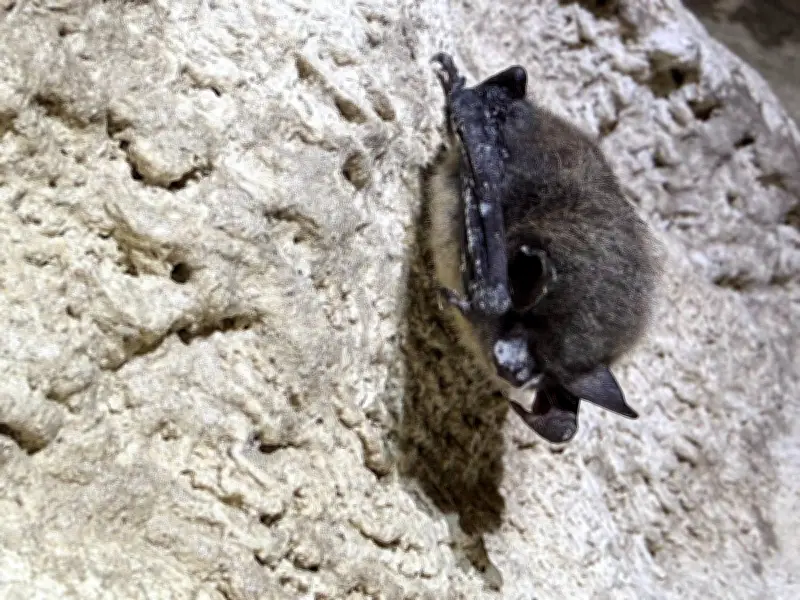
Hibernating bats in some Alberta caves have been infected with white-nose syndrome, a deadly fungal infection that can awaken them from hibernation and lead to starvation, Parks Canada announced.
What Is White-Nose Syndrome?
White-nose syndrome is caused by the fungus Pseudogymnoascus destructans, which grows on bats' noses, wings, and ears during hibernation. The infection disrupts their hibernation cycle, causing them to wake up frequently and burn essential fat reserves, often leading to death.
According to Parks Canada, the syndrome has devastated bat populations in eastern North America, with mortality rates exceeding 90% in some colonies. The disease was first detected in Alberta in 2024 and has now been confirmed in multiple caves within the province.

Parks Canada's Response
Parks Canada is implementing measures to slow the spread, including restricting access to caves and educating the public about decontamination protocols. "We are asking visitors to clean their gear thoroughly before and after entering caves to prevent transferring the fungus," said a Parks Canada spokesperson.
The agency is also monitoring bat populations and conducting research to understand the disease's impact on Alberta's ecosystems. Bats play a crucial role in controlling insect populations, and their decline could have significant ecological and economic consequences.
Impact on Alberta's Bats
Several bat species in Alberta, including the little brown myotis and the northern myotis, are susceptible to white-nose syndrome. Both species are already listed as endangered in Canada due to the disease's spread.
"We are deeply concerned about the long-term survival of these species," the spokesperson added. "Every effort counts to protect them."
Parks Canada urges anyone who sees sick or dead bats to report them to local authorities and avoid handling them, as the fungus can be spread through human activity.