A significant atmospheric river event is poised to impact British Columbia's north coast, bringing a substantial dose of heavy rain and snow to the region. This weather system, forecast for the coming days, is expected to deliver intense precipitation that could lead to challenging conditions for residents and travelers alike.
Forecast Details and Expected Impacts
Meteorologists are tracking the moisture-laden atmospheric river as it approaches the coastal areas of British Columbia. The primary impacts will be heavy rainfall along the coast and significant snowfall at higher elevations. This pattern is typical for such systems, which act as conveyor belts transporting vast amounts of water vapor from the tropics to the West Coast.
The timing and intensity of this event require close monitoring. Communities along the north coast should prepare for potential disruptions. The combination of rain and melting snow could increase the risk of localized flooding and affect road conditions. Travelers, especially those planning to traverse mountain passes, are advised to check the latest forecasts and road reports before departing.

Context and Historical Precedent
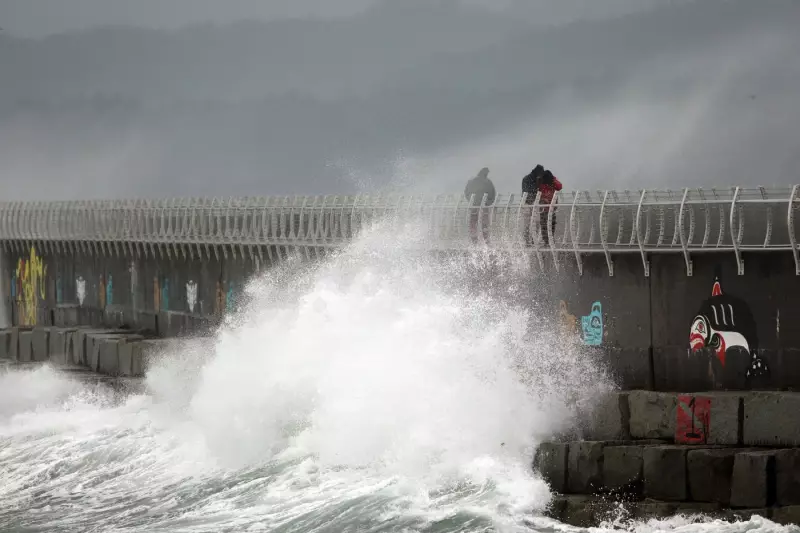
Atmospheric rivers are a common feature of British Columbia's winter weather, though their intensity can vary greatly. They are crucial for the province's water supply but can also lead to extreme weather events. The referenced image of waves pounding the Ogden Point breakwater in Victoria from January 2021 serves as a visual reminder of the powerful coastal storms these systems can fuel.
While the core news focuses on the forecast for the north coast, the broader weather story across Canada includes contrasting conditions. For instance, Calgary is expecting unseasonably warm weather this weekend, highlighting the diverse and dynamic climate patterns affecting the nation simultaneously.
Preparedness and Safety Recommendations
Residents in the affected zones are encouraged to take standard precautions for heavy rain and snow events. This includes ensuring drainage areas around properties are clear, having emergency kits ready, and staying informed through official channels like Environment and Climate Change Canada for updated warnings and statements.
Drivers should exercise extra caution, as visibility may be reduced and road surfaces could become slippery. Being prepared for rapidly changing conditions is the key to safety during these significant weather events.