A powerful and moisture-laden atmospheric river made landfall on British Columbia's north coast on January 9, 2026, unleashing a barrage of severe weather conditions. The system, a well-known phenomenon for the West Coast, is delivering a potent mix of high winds and heavy precipitation, posing risks of flooding, power outages, and travel disruptions.
Storm Details and Immediate Impacts
The arrival of the atmospheric river signifies a dramatic shift in weather patterns for the region. Meteorologists had been tracking the plume of subtropical moisture as it advanced across the Pacific Ocean. Upon reaching the B.C. coastline, the system began interacting with the terrain, leading to enhanced rainfall and strong wind gusts, particularly for coastal and inland areas.
Environment Canada and local authorities had issued warnings ahead of the event, advising residents to secure loose outdoor items and prepare for possible power interruptions. The combination of saturated ground from the persistent rain and the forceful winds increases the danger of downed trees and localized flooding.

Broader Context and Regional Preparedness
This event is a stark reminder of the intense weather systems that can affect British Columbia, especially during the winter months. Atmospheric rivers are crucial for the province's water supply but can also lead to dangerous situations when they are particularly strong or stall over an area.
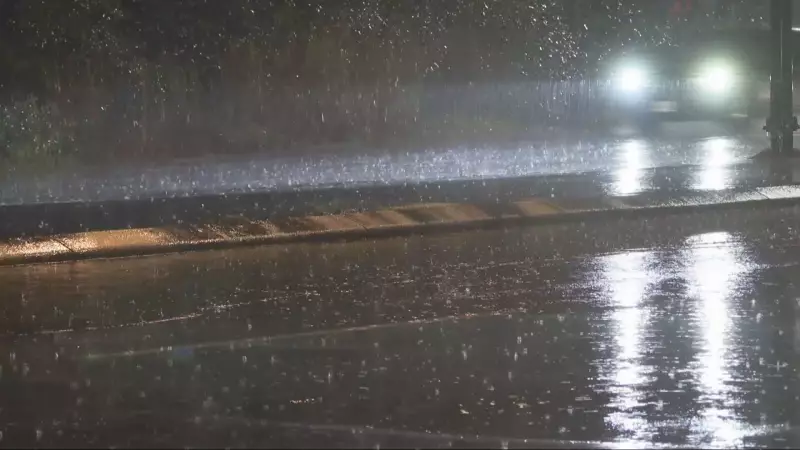
Emergency management teams across northern B.C. are monitoring the situation closely. The public is being advised to avoid non-essential travel, especially near waterways and in forested areas where the risk of falling branches is elevated. Drivers are warned to be extremely cautious on roads due to reduced visibility and potential hydroplaning conditions.
Looking Ahead and Safety Recommendations
While the core of the atmospheric river is expected to move through the region, the aftermath may include continued showers and unsettled conditions. Residents should stay informed through official weather alerts and updates from local authorities.
Key safety steps include having an emergency kit ready, checking on vulnerable neighbours, and heeding any evacuation orders if issued by officials. The situation underscores the importance of community preparedness in the face of increasingly volatile and extreme weather patterns linked to broader climatic changes.