A significant frontal system is currently impacting various regions of British Columbia, bringing a dramatic mix of severe weather conditions including heavy snowfall, powerful winds, and surprisingly record-breaking warmth in certain areas. This meteorological event is creating challenging and potentially hazardous situations across the province, with residents advised to stay informed and exercise caution.
Diverse and Extreme Weather Patterns
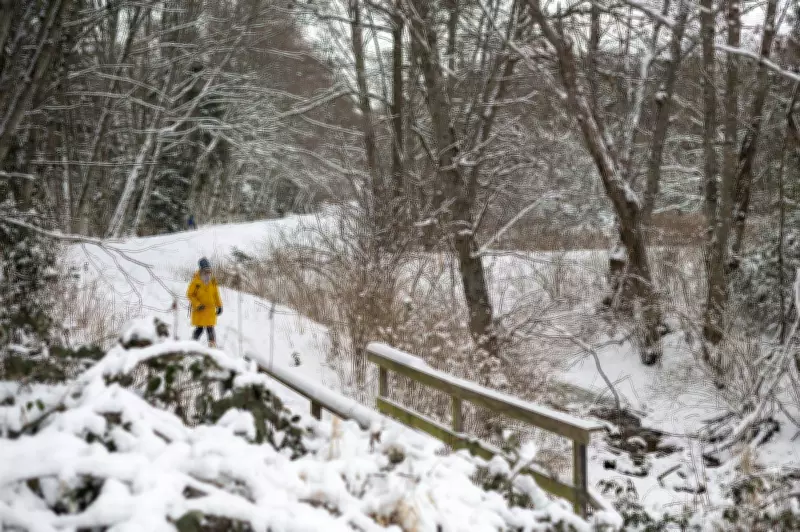
The system is characterized by its ability to produce contrasting weather phenomena simultaneously. In higher elevations and northern sections of B.C., substantial snow accumulations are being reported, accompanied by gusty winds that may lead to reduced visibility and difficult travel conditions. Meanwhile, other parts of the province are experiencing unusually mild temperatures, with some locations recording their warmest readings for this time of year.
Record Warmth Amidst Winter Conditions
Perhaps the most notable aspect of this frontal system is the pockets of record warmth it is generating. While winter typically dominates February in British Columbia, certain areas are seeing thermometers climb to levels more commonly associated with late spring. This juxtaposition of heavy snow and unseasonable heat underscores the dynamic and unpredictable nature of the current weather pattern.

Impacts and Safety Advisories
Authorities are monitoring the situation closely and have issued warnings for affected regions. The combination of snow and wind can create blizzard-like conditions in some locales, posing risks to motorists and outdoor enthusiasts. Residents are encouraged to prepare for potential power outages, travel disruptions, and rapidly changing weather scenarios. Staying updated with the latest forecasts from reliable sources is crucial during this event.
This frontal system serves as a reminder of British Columbia's diverse climate and the importance of readiness for extreme weather variations. As the system continues to move through the province, further updates on its progression and impacts will be provided by meteorological services and local officials.