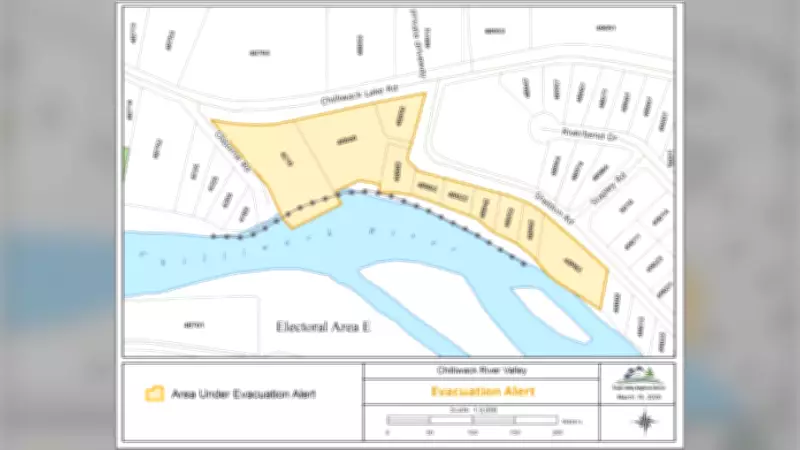
The Fraser Valley Regional District has issued evacuation alerts for properties along the Chilliwack River as heavy rainfall continues to drench the region, raising concerns about potential flooding and mudslides. Authorities are closely monitoring the situation and urging residents in affected areas to prepare for possible evacuation orders.
Immediate Threats and Regional Impact
Heavy rain has saturated the ground in the Fraser Valley, increasing the risk of landslides and river overflow. The evacuation alerts specifically target properties in the Sheldon Road area of Electoral Area "E," where rising water levels pose a direct threat to homes and infrastructure. This weather event follows a pattern of extreme precipitation that has impacted various parts of British Columbia, highlighting the vulnerability of communities to climate-related disasters.
Authorities' Response and Safety Measures
Local emergency services are on high alert, coordinating with regional districts to assess flood risks and provide timely updates to the public. Residents under evacuation alert are advised to gather essential items, such as medications, important documents, and emergency supplies, in case a full evacuation becomes necessary. The Fraser Valley Regional District has also deployed resources to monitor river gauges and weather forecasts, aiming to mitigate damage and ensure public safety.

Broader Context of Weather Extremes
This incident occurs amid a series of weather-related disruptions across Canada, including mudslides in Maple Ridge that halted West Coast Express service and heavy snow expected in Montreal. The heavy rain in the Chilliwack area underscores the growing frequency of extreme weather events, which experts link to broader environmental changes. Communities are increasingly facing challenges from both flooding and drought, necessitating robust preparedness and adaptation strategies.
Community Preparedness and Future Outlook
As the rain persists, authorities emphasize the importance of community awareness and proactive measures. Residents are encouraged to stay informed through official channels and report any signs of flooding or landslides immediately. The evacuation alerts serve as a precautionary step, reflecting a shift towards more anticipatory emergency management in response to unpredictable weather patterns. With climate models predicting increased precipitation variability, such events may become more common, requiring ongoing vigilance and investment in resilient infrastructure.