California Avalanche Investigation to Scrutinize Potential Criminal Negligence
Authorities have launched a comprehensive investigation into a tragic avalanche incident near Lake Tahoe, California, which will include a review to determine whether criminal negligence played any role in the fatalities. The avalanche, which occurred in a popular backcountry skiing area, resulted in the recovery of eight bodies, while search efforts continue for one remaining skier who is still missing.
Details of the Fatal Avalanche Incident
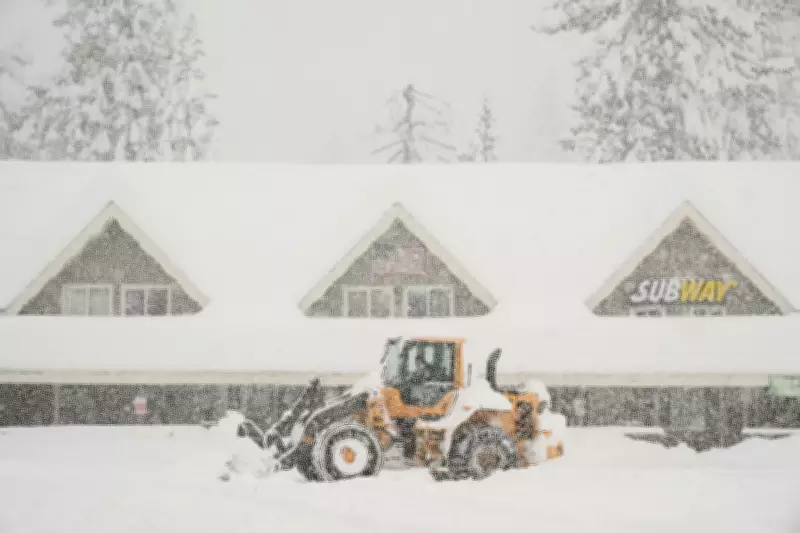
The deadly avalanche struck in the mountainous region surrounding Lake Tahoe, a well-known destination for winter sports enthusiasts. Emergency responders and specialized avalanche rescue teams worked tirelessly to locate victims in challenging conditions. The eight skiers whose bodies have been found were part of a group exploring the backcountry, highlighting the inherent risks associated with off-piste skiing in avalanche-prone zones.
Law enforcement agencies, in collaboration with avalanche safety experts, are now meticulously examining the circumstances leading up to the incident. This includes evaluating whether any individuals or entities may have acted with criminal negligence by disregarding safety protocols, failing to provide adequate warnings, or engaging in reckless behavior that contributed to the avalanche or hampered rescue operations.

Scope of the Investigation and Legal Implications
The investigation is expected to be thorough, involving forensic analysis of the avalanche site, weather data review, and interviews with witnesses and survivors. Key aspects under scrutiny include:
- Avalanche Forecasting and Warnings: Assessing if accurate and timely avalanche forecasts were issued and communicated to the public.
- Backcountry Access and Regulations: Reviewing whether proper permits or safety measures were in place for the area.
- Group Preparedness: Evaluating the skiers' equipment, training, and decision-making prior to the avalanche.
- Response Efforts: Analyzing the efficiency and coordination of rescue operations post-avalanche.
If evidence of criminal negligence is found, it could lead to charges such as involuntary manslaughter or reckless endangerment, depending on California state laws. This case underscores the legal responsibilities of both individuals and organizations in high-risk outdoor environments.
Broader Context and Safety Concerns
This incident has reignited discussions about backcountry skiing safety and the need for stricter enforcement of avalanche awareness programs. California's Sierra Nevada region, including Lake Tahoe, is notorious for its volatile snowpack, which can trigger avalanches with little warning. Experts emphasize that while backcountry skiing offers unparalleled freedom, it requires rigorous preparation, including:
- Checking daily avalanche forecasts from authoritative sources like the Sierra Avalanche Center.
- Carrying essential safety gear, such as avalanche beacons, probes, and shovels.
- Participating in formal avalanche education courses to recognize hazardous conditions.
- Traveling in groups with experienced leaders and establishing emergency plans.
The investigation's findings may influence future policies on backcountry access and avalanche risk management, potentially leading to enhanced regulatory measures or public awareness campaigns. As the search for the missing skier continues, the community mourns the loss of life and awaits answers that could prevent similar tragedies.
This report is based on official statements and ongoing developments in the case, with a focus on the legal and safety dimensions of the avalanche incident.