Edmonton Weather: A Frigid February Finale Gives Way to a Gentle March Onset
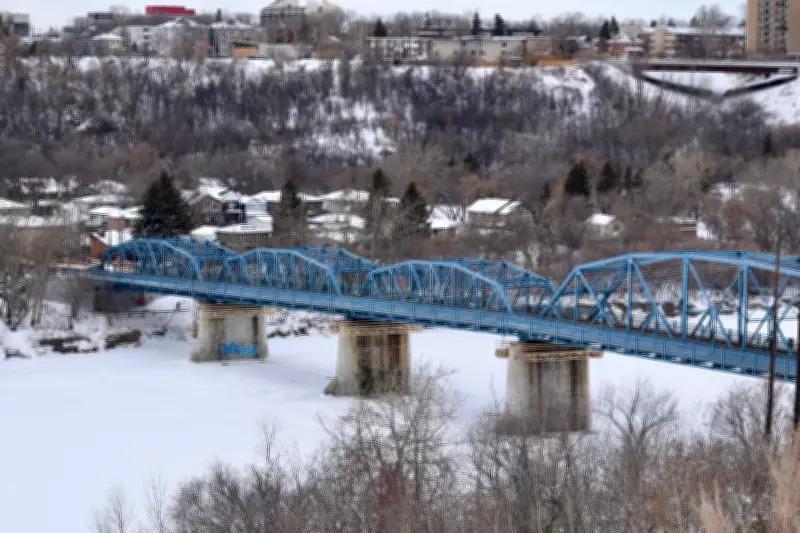
As February draws to a close, Edmonton residents are bracing for a significant cold snap that promises to make the final days of the month particularly harsh. According to meteorological forecasts, widespread blowing snow is expected to severely impact rush hour traffic across parts of the region, creating hazardous driving conditions and potential delays for commuters. This wintry blast underscores the unpredictable nature of Alberta's climate during this time of year, with temperatures plummeting and snow accumulations likely to disrupt daily routines.
From Freeze to Thaw: The Transition into March
However, relief is on the horizon as March approaches. Weather models indicate a notable shift towards milder conditions at the start of the new month, offering a welcome reprieve from the deep freeze. This transition is expected to bring more temperate air masses into the area, gradually easing the icy grip of winter. While occasional cold spells may still occur, the overall trend suggests a gradual warming, which could help melt snow and improve outdoor activities for Edmontonians eager for spring-like weather.
Impacts on Daily Life and Infrastructure

The cold end to February is not just a minor inconvenience; it poses real challenges for the city's infrastructure and residents. Blowing snow can reduce visibility on roads, increase the risk of accidents, and strain snow-clearing resources. In contrast, the mild start to March may alleviate some of these pressures, but it also brings its own set of considerations, such as potential flooding from melting snow. Residents are advised to stay updated on weather alerts and prepare for fluctuating conditions during this transitional period.
Looking Ahead: Seasonal Patterns and Predictions
This weather pattern aligns with broader seasonal trends observed in Alberta, where late winter often sees volatile shifts between cold and mild spells. Meteorologists attribute these changes to atmospheric dynamics, including jet stream movements and pressure systems. As climate change continues to influence global weather, such extremes may become more frequent, highlighting the importance of adaptive planning and resilience in urban centers like Edmonton.