Edmonton's Unseasonably Cool April Start: A Chilly Beginning to Spring 2026
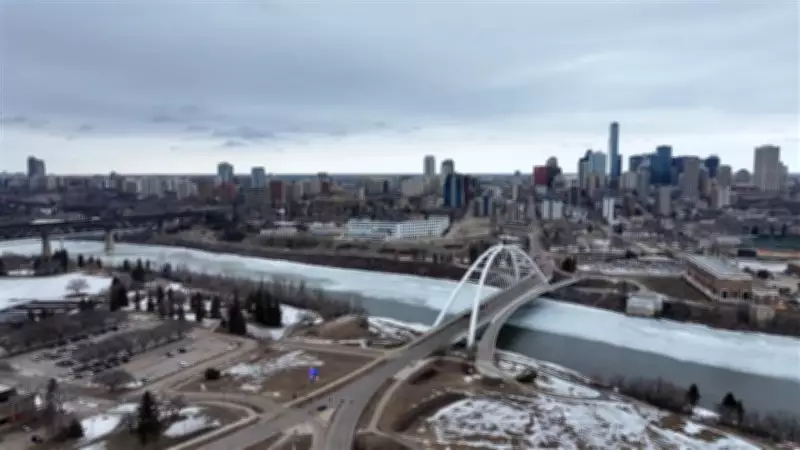
When was the last time April began with such a pronounced chill? Residents of Edmonton are asking this question as the city experiences an unusually cool start to the month of April in 2026. Snowy patches were observed surrounding the North Saskatchewan River on April 7, 2026, creating a wintry scene that contrasts sharply with the typical spring thaw expected during this time of year.
A Departure from Seasonal Norms
This cool beginning represents a significant deviation from the average temperatures that Edmonton usually sees in early April. Meteorological data indicates that such persistent cold and snow cover at this stage of spring is rare, prompting discussions among local weather experts and residents alike about the factors contributing to this unseasonable pattern. The lingering snow along the riverbanks serves as a visual reminder of the extended winter-like conditions.
Comparative Weather Context
Historical weather records for Edmonton show that April typically brings milder temperatures and gradual melting of winter snow. The current conditions, with snow patches still visible in early April, suggest a slower transition to spring than usual. This phenomenon has drawn attention to broader climate patterns and seasonal variability in the region.

Local Observations and Impact
Edmontonians have noted the unusual coolness in their daily routines, with many adjusting outdoor activities and preparations for spring. The presence of snow in early April affects everything from gardening plans to recreational use of river valley trails. While not unprecedented, this cool start is noteworthy for its persistence and visibility along key natural landmarks like the North Saskatchewan River.
Looking Ahead: Weather forecasts for the coming weeks will be closely monitored to see if this cool pattern continues or if more typical spring warmth arrives. The situation highlights the variability of seasonal transitions in Edmonton and serves as a point of interest for both meteorologists and the public.