Extreme Cold Warning Grips Much of Saskatchewan Amid Harsh Winter Conditions
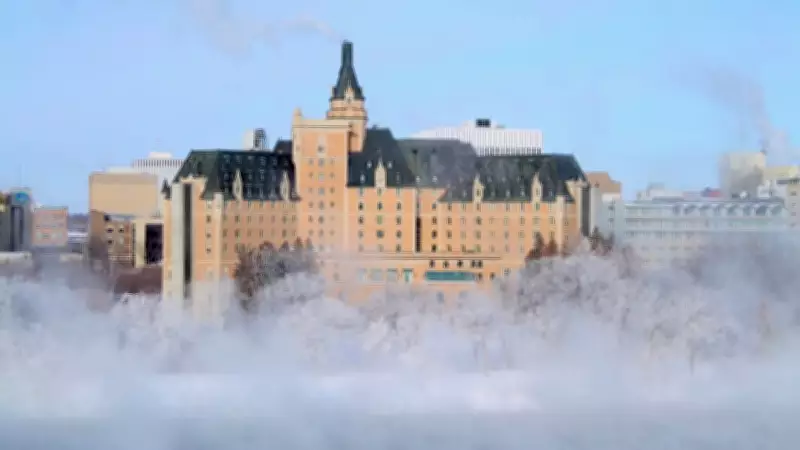
A severe cold warning has been issued for much of Saskatchewan, as frigid temperatures and heavy snowfall sweep across the province, disrupting daily activities and posing significant challenges to residents and infrastructure. The extreme weather event, which began in mid-February 2026, has led to widespread advisories from meteorological authorities, urging caution and preparedness among the population.
Impact on Transportation and Daily Life
The extreme cold has severely impacted transportation networks, with numerous bus routes experiencing cancellations and delays. For instance, OC Transpo reported high cancellation rates during the first week of February, highlighting the strain on public transit systems. Additionally, road conditions have deteriorated due to accumulating snow, with Regina receiving over 25 centimeters of snow in a recent winter blast, further complicating travel and increasing the risk of accidents.
In urban areas like Saskatoon, city officials are proposing alternative sites for warming centers, such as the Riversdale warm-up centre, to provide refuge for those affected by the harsh conditions. This move aims to mitigate the health risks associated with prolonged exposure to sub-zero temperatures, which can lead to frostbite and hypothermia.

Broader Regional Weather Patterns
The cold snap in Saskatchewan is part of a larger pattern of extreme winter weather affecting Canada. Manitoba has also seen significant snowfall, with reports detailing the amounts that fell on Wednesday, while Alberta prepares for a live pre-budget TV broadcast by Premier Smith, amidst ongoing weather-related concerns. These events underscore the variability and intensity of winter conditions across the country, often linked to broader climatic shifts.
Moreover, the extreme cold has implications for environmental and health sectors. For example, pneumonia hospitalizations rose dramatically last year, according to Canadian data, a trend that could be exacerbated by current weather conditions. Compliance issues at vape shops, as noted in recent inspection reports, further highlight the need for robust public health measures during such periods.
Community and Government Responses
Local governments and communities are mobilizing to address the challenges posed by the extreme cold. In Saskatchewan, a woman involved in a privacy breach by an RPS officer is calling for change, reflecting broader societal concerns during crises. Meanwhile, provincial approvals for expansions, such as the 200-hectare annexation in White City, continue despite the weather, indicating ongoing development efforts.
On a national level, the federal government is implementing strategies like the 'follow the money' approach to combat extortion, with FINTRAC liaisons in select regions, including Peel. This initiative, alongside a surge in CBSA investigations of extortion suspects, is part of efforts to maintain security and order during disruptive events.
Looking Ahead
As the extreme cold warning persists, residents are advised to stay informed through weather updates and take necessary precautions, such as limiting outdoor exposure and ensuring proper heating in homes. The situation serves as a reminder of the importance of resilience and preparedness in the face of increasingly unpredictable weather patterns, which are often influenced by global environmental factors like climate change.
In conclusion, the extreme cold gripping much of Saskatchewan highlights the ongoing challenges of winter weather in Canada, affecting transportation, health, and community life. With continued vigilance and adaptive measures, the province aims to navigate these harsh conditions while safeguarding its residents and infrastructure.