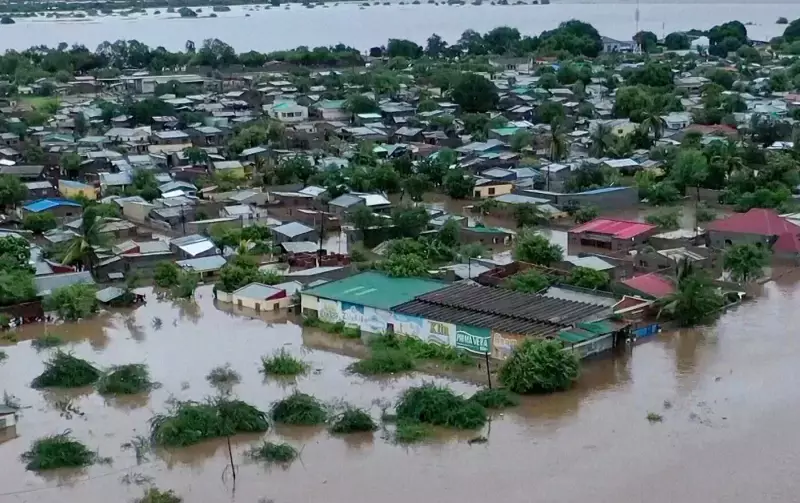
Catastrophic flooding has uprooted the lives of more than 300,000 residents in a single province of Mozambique, according to a statement from the provincial governor. The disaster underscores the severe human toll of extreme weather events in vulnerable regions.
Scale of the Disaster in Tete Province
The governor of Mozambique's Tete Province confirmed the staggering displacement figures on January 19, 2026. The flooding, which began impacting the region around January 15, has overwhelmed communities, destroying homes and infrastructure. Video footage from the affected areas, credited to The Associated Press, shows widespread inundation and the scale of the destruction left in the wake of the rising waters.
A Growing Humanitarian Crisis
With over a quarter of a million people forced to flee, the event represents a major humanitarian emergency. The displaced population now requires urgent assistance including shelter, clean water, food, and medical care. The flooding in Tete Province is a stark reminder of the increasing frequency and intensity of such climate-related disasters, particularly in regions with limited resources for mitigation and response.

Global Context of Climate Extremes
This crisis in southeastern Africa occurs amid a pattern of severe weather events globally. The news of the Mozambique floods was reported alongside other environmental stories, including severe flooding in South Africa that prompted a national disaster declaration and wildfires in Chile that left hundreds homeless. These concurrent disasters highlight the widespread challenges posed by a changing climate and the urgent need for coordinated adaptation and support for the most affected communities.
The situation in Mozambique remains fluid, with recovery efforts likely to be long-term as the country grapples with the immediate aftermath and the longer-term task of rebuilding resilient communities.