Four Dead in Two Separate Avalanches in Northwest British Columbia
Tragedy unfolded in the remote wilderness of British Columbia on Sunday as four individuals lost their lives in two separate avalanche incidents. The deadly events occurred in the northwest region of the province, highlighting the inherent dangers of backcountry activities during winter conditions.
First Avalanche Claims Three Lives Near Terrace
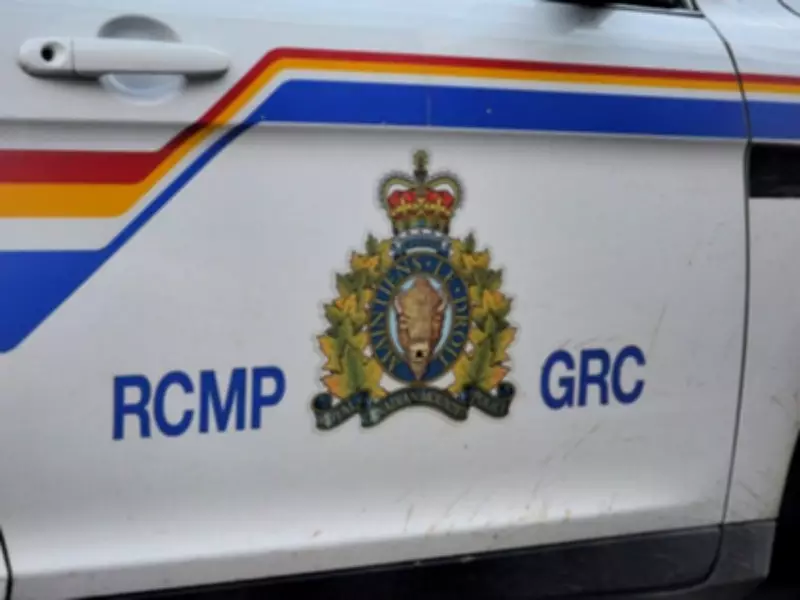
According to RCMP spokesperson Sergeant Vanessa Munn, emergency services received notification at 1:30 p.m. on March 22 regarding four heli-skiers who had been caught in an avalanche. The incident took place on the Iridium Shoulder ski run on Mount Knauss, located north of Terrace.
Search and rescue teams responded promptly to the scene and successfully located all four skiers. Tragically, three of the individuals were found deceased at the location. The sole survivor was transported to a local ski lodge before being airlifted to a hospital with serious injuries. The bodies of the three deceased skiers were later recovered from the mountain.

Second Avalanche Near B.C./U.S. Border Claims Another Life
In a separate incident that same afternoon, Atlin RCMP were alerted at approximately 3:30 p.m. by an automatic GPS signal indicating an avalanche had occurred in a remote area near the Klehini River, close to the British Columbia and United States border. The signal indicated one individual was unconscious at the scene.
"Atlin Royal Canadian Mounted Police coordinated with Atlin Search and Rescue to plan an extraction," Sergeant Munn explained. "Due to the extremely remote location of the incident, a helicopter was utilized to access the area. Upon arrival, responders confirmed that one person had died in the avalanche."
In total, five individuals were extracted from the second avalanche site. Four of those individuals emerged uninjured from the terrifying ordeal. The combined incidents resulted in nine people being caught in avalanches, with four fatalities and one seriously injured survivor.
Backcountry Safety Concerns
These tragic events serve as a sobering reminder of the risks associated with winter backcountry activities in British Columbia's mountainous regions. Avalanche safety experts consistently emphasize the importance of:
- Checking avalanche forecasts before venturing into backcountry areas
- Carrying proper safety equipment including beacons, probes, and shovels
- Traveling with experienced companions who understand avalanche terrain
- Receiving proper avalanche safety training and education
The northwest region of British Columbia is known for its challenging terrain and variable snow conditions, particularly during the late winter and early spring months when avalanche risk can be elevated. These incidents occurred as many outdoor enthusiasts take advantage of the remaining winter conditions before the seasonal transition.
Authorities continue to investigate both avalanche incidents while reminding backcountry users to exercise extreme caution and adhere to safety protocols when exploring British Columbia's wilderness areas during winter months.