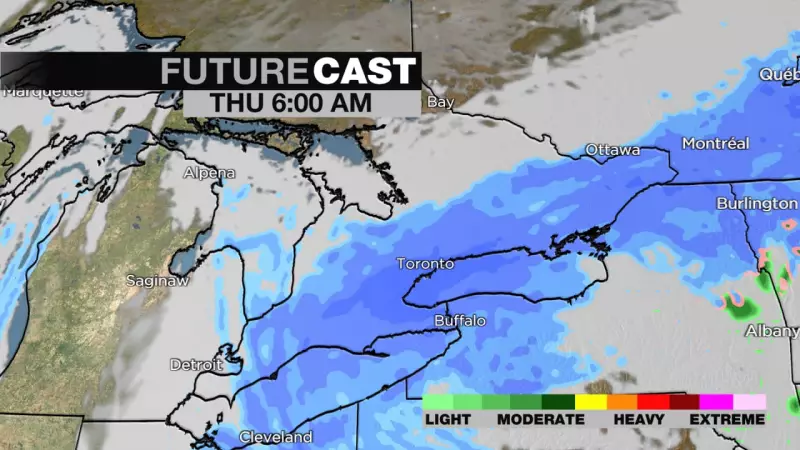
A significant winter storm is sweeping across Toronto and the Greater Toronto Area, prompting widespread disruptions including school closures and hazardous travel conditions. Environment Canada has issued warnings, forecasting that the city could see up to 20 centimetres of snow by Thursday afternoon, potentially making it the biggest snowfall of the season.
Storm Details and Immediate Impacts
The storm, which began impacting the region on the morning of Wednesday, January 15, 2026, is expected to intensify. In response to the deteriorating conditions, numerous school boards across Toronto and the GTA made the decision to close for the day to ensure student safety. The heavy, accumulating snow is creating slippery roads and reducing visibility for commuters.
This system is part of a broader pattern of extreme weather affecting Canada. While Ontario braces for snow, other provinces are facing their own challenges. In British Columbia, forecasters are warning of 'dense fog' blanketing the South Coast. Meanwhile, parts of Alberta and Saskatchewan are experiencing unseasonably warm temperatures, with Wednesday marking one of Edmonton's warmest January days on record.

Broader National Weather Context
The Toronto storm contrasts sharply with conditions out west, highlighting Canada's diverse and often extreme winter weather. In Ottawa, forecasts indicate the biggest snowstorm of the season could bring up to 25 cm of snow. Conversely, organizers of Winnipeg's Deep Freeze Festival are adapting their plans for what is expected to be the event's warmest weekend in years.
Environment Canada's warnings remain in effect for Toronto, urging residents to prepare for significant snow accumulation and consider postponing non-essential travel. The public is advised to monitor updates as the storm progresses through Thursday.
Safety and Preparedness Advice
With the storm ongoing, authorities emphasize safety. Residents should be prepared for possible power outages, allow extra time for travel, and check on vulnerable neighbours. The combination of school closures and difficult road conditions means many will need to adjust their daily routines until the system passes and cleanup operations are complete.
This major winter event serves as a reminder of the powerful weather systems that can impact Canadian cities during the winter months, requiring constant vigilance and preparedness from both officials and the public.