Maritimes Weather Alerts Expand to Include Snowfall and Freezing Rain Warnings
Weather alerts in the Maritimes have been significantly expanded to now include snowfall and freezing rain warnings, as forecasters predict hazardous conditions across the region. This development comes amid a broader pattern of severe weather affecting various parts of Canada, highlighting the increasing frequency of extreme meteorological events.
Details of the Expanded Alerts
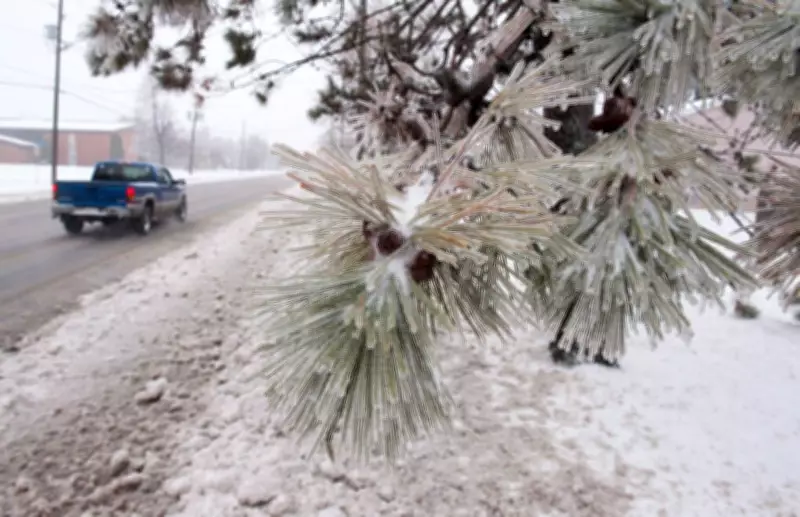
The updated warnings cover multiple areas in the Maritimes, with authorities urging residents to prepare for potential disruptions. Snowfall is expected to accumulate rapidly in some regions, while freezing rain could lead to icy roads and power outages. Historical data, such as the 2015 ice storm in Fredericton that left trees coated in ice and traffic at a standstill, serves as a stark reminder of the dangers posed by such weather phenomena.
Forecasters emphasize that these conditions may persist over the coming days, with temperatures fluctuating near freezing points, exacerbating the risk of ice formation. Residents are advised to exercise caution when traveling and to stay informed through local weather updates.

Broader Weather Context Across Canada
While the Maritimes brace for snow and ice, other regions are experiencing different weather challenges. For instance, Toronto is forecasted to see rain and thunderstorms with mild temperatures, contrasting sharply with the colder conditions in the east. This disparity underscores the diverse climatic patterns across the country during this period.
In related news, various other weather-related stories have emerged, such as more snowfall anticipated in Calgary and gas prices set to rise in Ottawa. These events collectively point to a dynamic and unpredictable weather landscape affecting daily life and economic activities nationwide.
Safety Recommendations and Preparedness
Local authorities are issuing specific guidelines to help communities cope with the impending weather:
- Keep emergency kits stocked with essentials like food, water, and flashlights.
- Avoid unnecessary travel during peak warning periods to reduce accident risks.
- Monitor official channels for real-time updates on road conditions and school closures.
By taking proactive measures, individuals can mitigate the impacts of these severe weather events and ensure their safety during this challenging time.