Monster Typhoon Sinlakua Threatens U.S. Pacific Islands with Extreme Weather
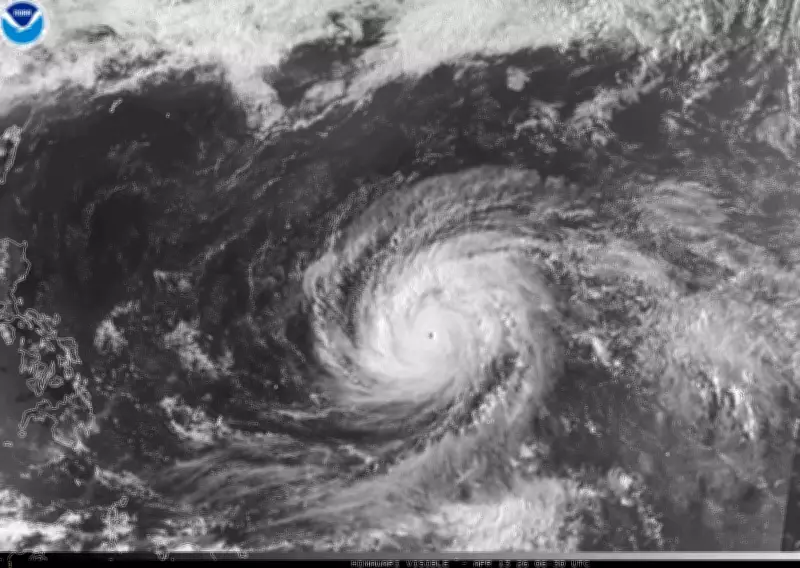
A formidable super typhoon is currently bearing down on a group of U.S. islands in the vast Pacific Ocean, raising alarms for severe weather conditions and potential devastation. The storm, identified as Super Typhoon Sinlakua, was captured in a satellite image provided by the National Oceanographic and Atmospheric Administration (NOAA) on Monday, April 13, 2026.
Intensifying Storm Poses Grave Risks
Super Typhoon Sinlakua represents a significant meteorological event, with its powerful winds and heavy rainfall expected to impact the remote U.S. territories. The NOAA image vividly illustrates the storm's massive scale and organized structure, highlighting the urgency of preparedness efforts. Authorities are closely monitoring the typhoon's trajectory as it moves closer to the islands, emphasizing the need for immediate action to safeguard residents and infrastructure.
Historical Context and Climate Implications
This event underscores the increasing frequency and intensity of extreme weather phenomena in the Pacific region, potentially linked to broader climate change trends. Similar storms in recent years have caused widespread damage, making Sinlakua a critical test for disaster response capabilities. The U.S. islands, often vulnerable due to their isolation, face heightened risks from storm surges, flooding, and wind damage.

Response and Preparedness Measures
Local and federal agencies are mobilizing resources to mitigate the typhoon's impact, including evacuation plans and emergency shelters. Residents are advised to stay informed through official channels and take necessary precautions. The situation serves as a stark reminder of the importance of robust climate resilience strategies in coastal and island communities.
As Super Typhoon Sinlakua continues its approach, the focus remains on minimizing harm and ensuring swift recovery in its aftermath. Updates will be provided as the storm evolves, with experts urging vigilance in the face of this natural threat.