Ottawa Experiences Sharp Temperature Drop Ahead of Short-Lived Warm Spell
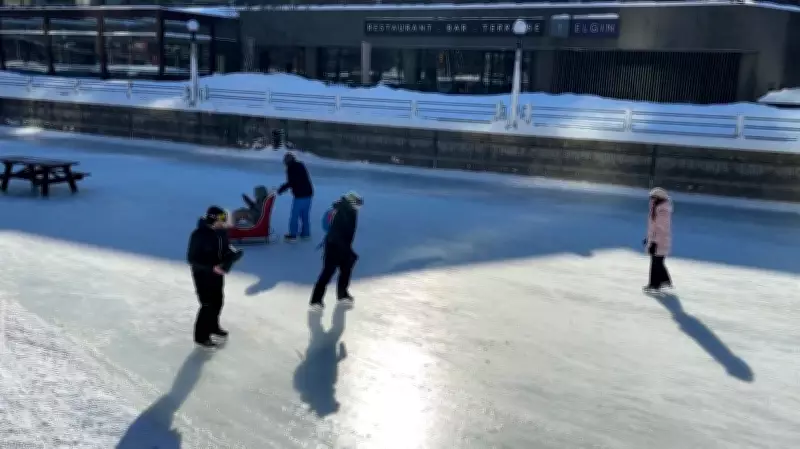
The city of Ottawa is currently grappling with a significant cold weather event, as residents wake up to biting temperatures that have plunged well below seasonal norms. This abrupt Arctic blast has transformed the capital into a winter landscape once again, with frosty conditions making outdoor activities challenging for many.
Sudden Shift in Weather Patterns
Meteorological data indicates that temperatures have dropped dramatically across the Ottawa region, creating conditions that feel more like mid-winter than early March. The cold front arrived with little warning, catching many residents off guard as they had begun to anticipate the gradual arrival of spring weather. This temperature plunge represents a stark contrast to the relatively mild conditions experienced in recent weeks.
Weather experts note that such sudden shifts are becoming increasingly common in the region, potentially linked to broader climate change patterns affecting traditional seasonal transitions. The cold snap has been particularly noticeable during morning hours, when temperatures have reached their lowest points, creating icy conditions on roads and sidewalks throughout the city.

Brief Respite Expected
Despite the current frigid conditions, forecast models predict a temporary return to milder temperatures in the coming days. This expected warm-up, while welcome, is projected to be short-lived according to meteorological analysis. The fluctuation between extreme cold and relative warmth has become a characteristic pattern for Ottawa's transitional seasons in recent years.
Residents are advised to prepare for continued variability in weather conditions, with temperature swings potentially occurring within short timeframes. This pattern of abrupt changes presents challenges for infrastructure maintenance, transportation systems, and daily planning for Ottawa's population.
Impact on Daily Life and Activities
The cold weather has affected various aspects of life in the capital:
- Outdoor recreational activities have been limited or modified to accommodate the freezing conditions
- Transportation systems face additional challenges with potential ice formation on roads
- Energy consumption typically increases during such cold snaps as heating demands rise
- Vulnerable populations require additional support during extreme temperature drops
This weather event occurs against a backdrop of increasing discussion about climate resilience and adaptation strategies for Canadian cities facing more frequent extreme weather occurrences. Ottawa's experience with this cold snap followed by anticipated milder conditions exemplifies the unpredictable nature of contemporary weather patterns in the region.