Quebra's Winter Holds Firm as Summer's Arrival Faces Significant Delay
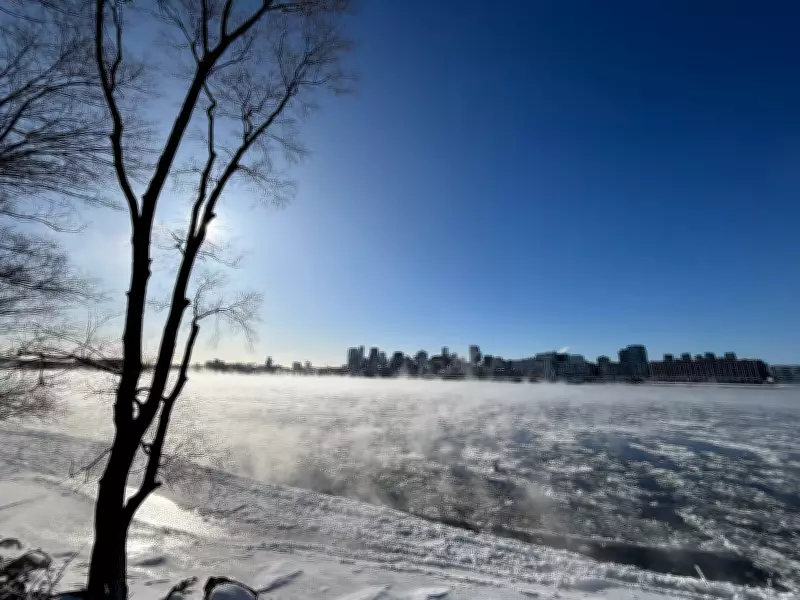
The Weather Network has issued a sobering forecast for residents of Quebec anticipating warmer temperatures, indicating that summer conditions remain a distant prospect. According to meteorological analysis, the province is poised to experience an extended winter period with unseasonably cold weather persisting through the coming months.
Prolonged Cold Patterns and Volatile Spring Conditions
Meteorologists highlight that Quebec's current weather systems demonstrate unusual stability for winter conditions, with cold air masses maintaining their grip on the region. The transition to warmer temperatures will be gradual and inconsistent, featuring what experts describe as a "sluggish and volatile" spring season before any sustained summer warmth materializes.
Historical climate data suggests this pattern aligns with broader atmospheric shifts affecting eastern Canada. The delayed seasonal transition reflects complex interactions between polar air currents and warming trends that have become more pronounced in recent decades. Residents should anticipate fluctuating temperatures with occasional warm spells followed by returns to winter-like conditions.

Regional Impacts and Weather Preparedness
Across Quebec municipalities, the extended winter forecast carries practical implications:
- Municipal services will need to maintain winter operations longer than typical seasonal schedules
- Agricultural planning requires adjustment for later planting windows
- Energy consumption patterns may reflect continued heating demands
- Outdoor recreational activities face disruption to traditional spring timelines
Weather experts emphasize that while the forecast indicates delayed summer conditions, this doesn't preclude occasional pleasant spring days. The overall pattern, however, points toward a compressed warm season with summer's peak arriving weeks later than historical averages.
Broader Climate Context and Future Projections
This weather pattern occurs within a larger context of changing climate dynamics across Canada. Meteorological organizations have documented increasing volatility in seasonal transitions, with some regions experiencing more dramatic swings between temperature extremes. The Quebec forecast aligns with observations of shifting atmospheric patterns that affect seasonal predictability.
As climate monitoring continues, researchers note that understanding these delayed seasonal transitions becomes increasingly important for infrastructure planning, agricultural management, and public health preparedness. The current Quebec forecast serves as a reminder of how regional weather patterns interconnect with broader environmental changes.