Saskatchewan Braces for Extreme Cold: Temperatures to Plummet to -50°C This Weekend
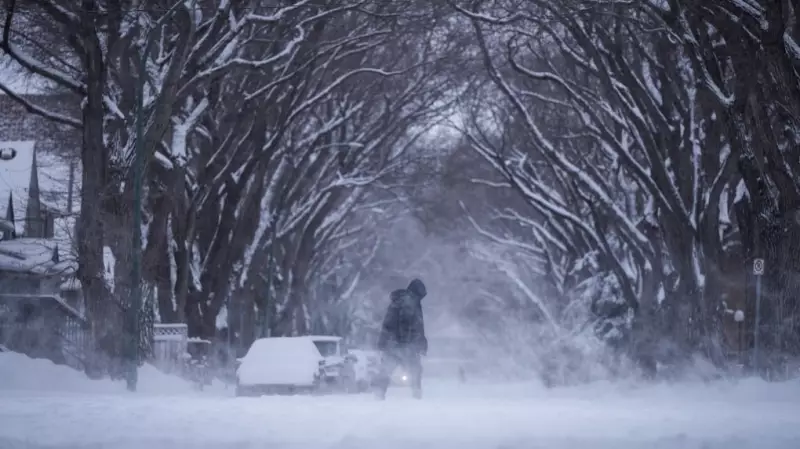
Residents across Saskatchewan are preparing for a dangerous and potentially record-breaking cold snap this weekend, with Environment Canada issuing severe cold warnings for Regina and numerous other regions. Forecasters predict that temperatures, combined with biting wind chill, could plunge to a staggering -50°C, creating hazardous conditions for anyone venturing outdoors.
Widespread Cold Warnings Across the Province
The impending Arctic airmass is not isolated to Saskatchewan. Cold warnings have been issued for 10 of Canada's 13 provinces and territories, indicating a widespread and severe winter weather event. In the Maritimes, for instance, wind chill values are expected to drop as low as -37°C. Northern Ontario is also bracing for extreme cold, with similar warnings in effect as the frigid system moves across the country.
This intense cold wave follows a pattern of bitter winter conditions already affecting parts of Canada. Toronto has recently opened additional emergency shelter spaces to protect vulnerable populations from the ongoing freeze. The situation underscores the significant public health and safety challenges posed by such extreme temperatures.

Safety Precautions and Public Health Advice
Authorities are urging the public to take the following precautions seriously:
- Limit outdoor exposure: Minimize time spent outside, especially during the coldest parts of the day and night.
- Dress in layers: Wear multiple layers of clothing, including a wind-resistant outer layer, to protect against frostbite and hypothermia.
- Check on vulnerable individuals: Ensure that elderly neighbors, those with health conditions, and people experiencing homelessness have access to warmth and shelter.
- Prepare vehicles and homes: Ensure home heating systems are functioning and keep emergency kits in vehicles, which should include blankets, extra clothing, and non-perishable food.
Frostbite can develop on exposed skin in mere minutes under such extreme conditions. Symptoms include numbness, tingling, or a white or pale appearance of the skin. Hypothermia, characterized by uncontrollable shivering, confusion, and drowsiness, is another critical risk.
A Broader Context of Winter Extremes
This weekend's forecast highlights the volatile and sometimes dangerous nature of Canadian winters. Other regions are also grappling with severe weather impacts. For example, a significant 30 to 40 vehicle pileup, attributed to poor conditions, recently shut down Highway 11. Furthermore, the extreme cold raises concerns about infrastructure, from transportation delays to the potential for "exploding trees" – a phenomenon where sap freezes and causes trees to crack loudly, sometimes splitting.
As climate change continues to alter global weather patterns, adapting to such extremes, even in a winter nation like Canada, remains an ongoing challenge for communities, emergency services, and policymakers alike.