Saskatchewan Spring Storm Unleashes Heavy Snowfall Across Province
A powerful spring storm has swept across Saskatchewan, delivering a surprising blast of winter-like conditions in mid-April. The system, which moved through the region, deposited significant amounts of snow, with several communities reporting the highest accumulations. This unexpected weather event has disrupted daily life and travel, serving as a stark reminder of the province's volatile seasonal transitions.
Communities Bearing the Brunt of the Snowfall
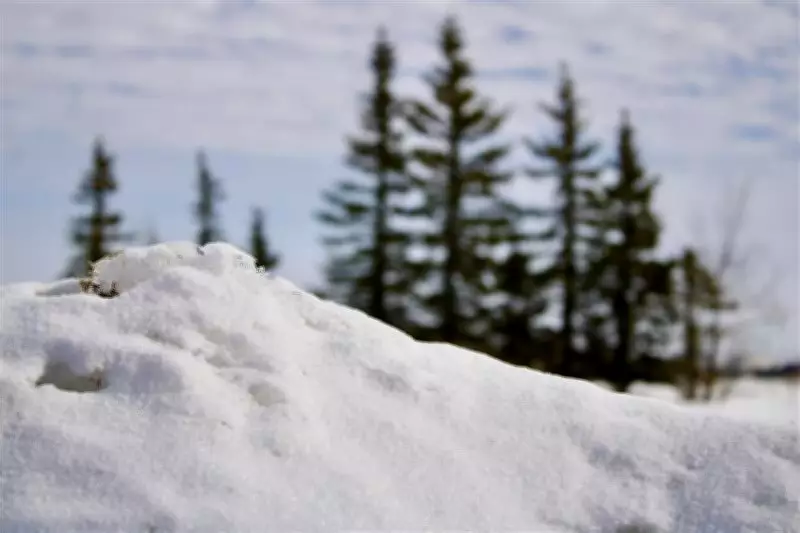
According to meteorological reports, Regina was among the areas that experienced substantial snow drifts, as captured in recent imagery. The city saw accumulations that transformed landscapes, creating hazardous conditions for residents. Other Saskatchewan communities also recorded notable snowfall totals, though specific figures for each location are still being compiled by local authorities. The storm's intensity varied across the province, with some regions receiving lighter dustings while others faced more severe impacts.
The timing of this storm is particularly notable, occurring well into spring when warmer temperatures are typically expected. This has led to concerns about potential flooding as the snow melts, especially in low-lying areas. Municipal services have been activated to manage the aftermath, including snow removal operations and road safety measures.

Wider Context and Regional Weather Patterns
This Saskatchewan event is part of a broader pattern of unpredictable spring weather affecting parts of Canada. For instance, forecasts have suggested that winter could make a return in some regions over the weekend, highlighting the instability of seasonal shifts. In other provinces, similar storms have caused disruptions, such as flight diversions and travel delays, underscoring the widespread nature of these atmospheric conditions.
Experts attribute such storms to complex climatic factors, including lingering cold air masses colliding with spring moisture. While not uncommon for Saskatchewan, the severity and timing of this particular system have drawn attention from residents and officials alike. The storm serves as a case study in how communities adapt to sudden weather changes, with implications for infrastructure and emergency preparedness.
Impacts on Daily Life and Infrastructure
The heavy snowfall has led to several immediate consequences:
- Travel disruptions, including potential road closures and reduced visibility for drivers.
- Increased demand for municipal services like snow plowing and salting operations.
- Possible effects on agriculture, as farmers may face delays in spring planting due to wet, cold conditions.
- Heightened awareness of weather-related risks among residents, prompting advisories from local authorities.
As cleanup efforts continue, residents are advised to stay updated on weather forecasts and take precautions when venturing outdoors. The storm's aftermath may also influence discussions on climate resilience and urban planning in the face of increasingly erratic weather patterns.