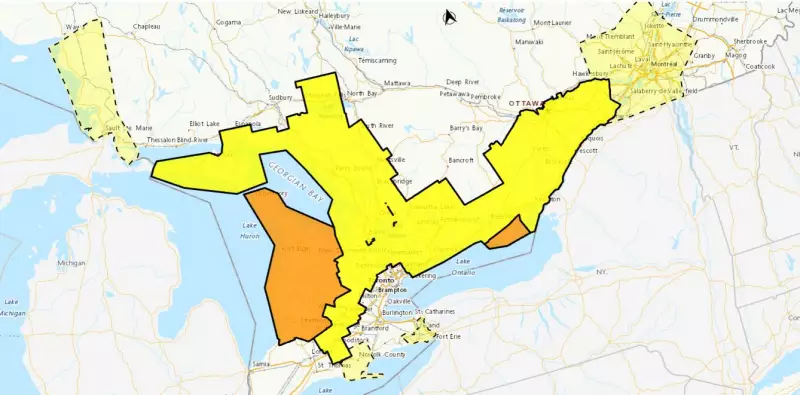
The snow squall warning issued for the City of Toronto has been lifted as of the afternoon of Monday, January 19, 2026. However, Environment Canada has kept the alert in effect for several regions within the Greater Toronto Area, signaling continued hazardous travel conditions for some commuters.
A Chilly Forecast for the City
While the immediate threat of intense squalls has passed for Toronto proper, the city is not out of the winter woods. Meteorologists are forecasting a "bone-chillingly cold" day with the potential for up to 2 centimetres of additional snowfall. The combination of fresh snow and plunging temperatures is expected to impact road conditions and the evening commute.
The warning was officially ended for Toronto at approximately 1:50 PM EST on January 19, after being initially published earlier that morning at 10:13 AM EST. Residents are advised to stay updated on the latest forecasts, as conditions can change rapidly during lake-effect snow events.

Ongoing Travel Hazards in the GTA
For communities in the surrounding Greater Toronto Area still under the snow squall warning, conditions remain dangerous. These weather phenomena are known for causing sudden, near-zero visibility, rapidly accumulating snow, and icy roads. Drivers in affected regions should exercise extreme caution, consider postponing non-essential travel, and be prepared for quickly changing road conditions.
The disparity in warnings highlights the localized nature of lake-effect snow. While one area may see conditions improve, another just kilometres away can be in the midst of a whiteout. This serves as a critical reminder for all residents in southern Ontario to check localized alerts before heading out.
Broader Weather Context Across Canada
The focus on Ontario's snow coincides with other significant weather events across the country. In Atlantic Canada, a powerful nor'easter has forced the closure of all schools in Nova Scotia and Prince Edward Island, leaving tens of thousands without power. Meanwhile, in British Columbia, a fog advisory has been extended for the Lower Mainland and Vancouver Island, creating another set of travel challenges.
These concurrent events underscore a week of active and disruptive weather for Canadians from coast to coast. Authorities continue to urge the public to monitor official sources for the latest warnings and to prioritize safety during this period of severe winter conditions.