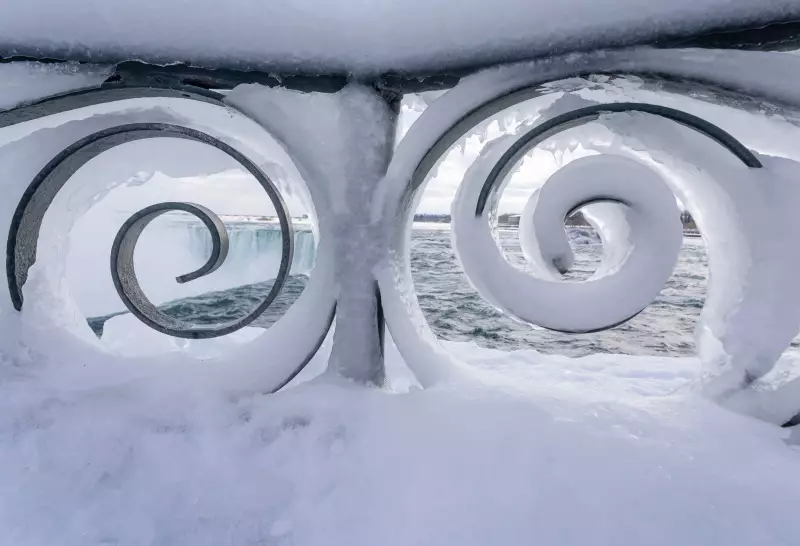
The Greater Toronto Area is preparing for a sharp drop in temperatures and hazardous winter conditions, with Environment Canada issuing snow squall warnings for parts of the region. The city of Toronto itself is bracing for what forecasters are describing as a 'bone-chillingly cold' Monday, with the potential for significant snowfall.
Winter Hazards and Forecast Details
According to the latest forecasts, the city of Toronto could see up to 2 centimetres of snow accumulation on Monday, January 19, 2026. The snow squall warnings, however, are specifically targeted at areas within the GTA outside the immediate city core, indicating localized bands of heavy, blowing snow that could rapidly reduce visibility and create dangerous travel conditions.
The incoming cold snap marks a dramatic shift in weather, promising to deliver frigid air across southern Ontario. Meteorologists are urging residents to take precautions, as wind chills are expected to plunge well below seasonal norms, making outdoor exposure risky without proper layered clothing.

Broader National Weather Extremes
This Toronto-area weather event is part of a pattern of extreme conditions being felt across Canada. In other parts of the country, residents are facing similar or even more severe challenges.
In Manitoba, wind chill values are forecast to reach a staggering -40 degrees Celsius in some regions, posing severe risks of frostbite and hypothermia. Meanwhile, a community in Manitoba demonstrated remarkable hospitality by opening its doors to nearly 100 travellers who were stranded by a series of highway crashes, highlighting the very real dangers of winter road travel.
Further west, a fog advisory was extended for British Columbia's Lower Mainland and Vancouver Island, creating another set of hazardous visibility issues for drivers in that province.
Preparedness and Safety Advice
With the warnings in effect, local authorities and weather experts are advising the public to exercise caution. Key recommendations for dealing with the snow squalls and cold snap include:
- Postponing non-essential travel in areas under snow squall warnings, as conditions can deteriorate in minutes.
- Ensuring vehicles are equipped with a winter emergency kit, including blankets, a shovel, and a fully charged phone.
- Dressing in layers, covering all exposed skin when outdoors to prevent frostbite during the extreme cold.
- Checking on vulnerable neighbours, including the elderly, who may be more susceptible to the health effects of the severe cold.
The situation serves as a potent reminder of Canada's harsh winter realities. As the GTA hunkers down, residents are advised to stay informed through official weather channels and prepare for a period of significantly colder and more disruptive weather.