Snowfall and High Wind Warnings Expand Across British Columbia as Frontal System Moves In
A significant frontal system is currently moving across British Columbia, prompting expanded snowfall and high wind warnings throughout the province. This weather event is expected to bring substantial impacts, including hazardous travel conditions and potential infrastructure disruptions.
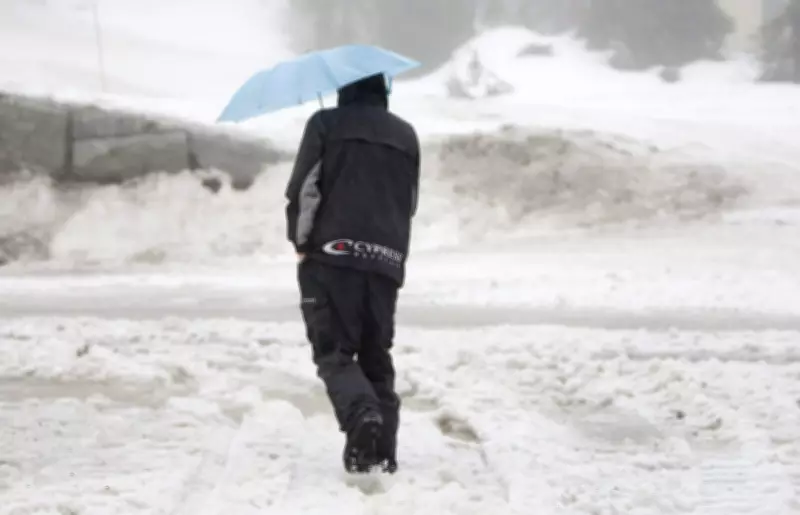
The system follows a pattern of extreme weather that has been affecting various regions, highlighting the broader challenges posed by climate variability. In West Vancouver, historical instances such as the 2010 conditions at Cypress Mountain—where high winds, dense fog, and heavy rains melted snow at the Olympic venue—serve as a reminder of how such systems can alter local environments rapidly.
Weather Impacts and Safety Concerns
Residents and travelers are advised to exercise caution as the frontal system intensifies. The expanded warnings indicate that snowfall accumulations could be significant in some areas, while high winds may lead to reduced visibility and power outages. Authorities are monitoring the situation closely to provide updates and ensure public safety.

This event underscores the increasing frequency of extreme weather incidents in Canada, which have been linked to crumbling infrastructure and safety risks. For instance, drivers across the country are facing challenges such as potholes and road damage, prompting discussions about the need for additional insurance coverage in some cases.
Broader Context of Extreme Weather
The current warnings in British Columbia are part of a larger trend of volatile weather patterns affecting Canada. From sluggish and volatile springs to hot and dry conditions, these shifts are reshaping how communities prepare for and respond to environmental changes. The frontal system moving across B.C. exemplifies the dynamic nature of these weather systems, which can bring rapid transitions from rain to snow and high winds.
In related news, other regions are also grappling with weather-related issues. For example, whiteout conditions in northern Alberta have led to incidents such as semi-truck rollovers, while flooding has impacted areas like Vancouver. These events highlight the interconnectedness of weather impacts across the country.
As the frontal system continues to move, residents are encouraged to stay informed through official channels and take necessary precautions. The expansion of warnings serves as a critical alert for those in affected areas to prioritize safety during this period of heightened weather activity.