Super Typhoon Sinlaku Unleashes Fury on Northern Mariana Islands
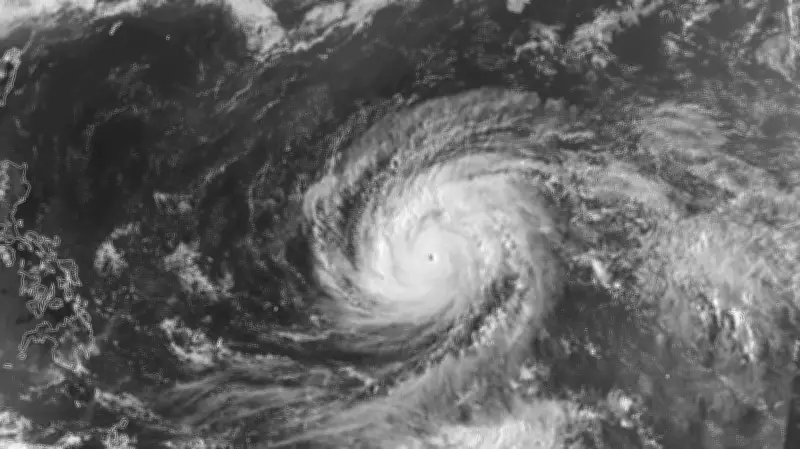
In the early hours of Wednesday, Super Typhoon Sinlaku unleashed its full force upon the Northern Mariana Islands, a remote U.S. territory in the Pacific Ocean. The storm, packing sustained winds of up to 150 miles per hour, battered the islands of Tinian and Saipan for hours before daybreak, causing severe damage and forcing residents to seek refuge from flying debris.
Widespread Destruction and Flooding Reported
Glen Hunter, a lifelong resident of Saipan, described the scene as chaotic, with tin roofs being torn from buildings and tree limbs hurtling through the air. "I'm guessing anything that was made of wood and tin did not survive this," he told The Associated Press. Hunter, who has experienced many typhoons, noted that this felt like the strongest yet, with rain infiltrating every crevice of his concrete home. "It was a losing battle because the rain was coming through everywhere," he said, adding that flooding affected homes regardless of their construction type.
The National Weather Service confirmed that Sinlaku, the strongest typhoon on Earth this year, made landfall as a Category 4 storm. While wind gusts slowed slightly early Wednesday, conditions remained dangerous, with torrential rainfall leading to flash flooding on Guam, another U.S. territory to the south with significant military installations and approximately 170,000 residents.

Residents Heed Warnings Amid Ongoing Threats
Ed Propst, a former lawmaker in Saipan now working in the governor's office, reported that the extent of damage was unclear due to unsafe outdoor conditions. He expressed relief that no fatalities had been reported so far, attributing this to residents following warnings to take shelter if not in concrete structures. "We haven't heard of any — knock on wood — deaths so far," Propst said, though he described hearing constant "banging and clanging through the night."
Meteorologist Landon Aydlett warned that the storm's slow movement increased the risk of widespread damage. "This is not going to be an easy night for anyone across Tinian or Saipan. This is going to be a loud night," he said during a Facebook video broadcast, predicting that many would "wake up to a different island."
Historical Context and Regional Impact
The Northern Mariana Islands and Guam are part of a region locally known as "Typhoon Alley," prone to such extreme weather events. Before hitting the Marianas, Sinlaku caused significant damage to the outer islands and atolls of Chuuk in the Federated States of Micronesia. Saipan, which relies heavily on tourism and is still recovering from 2018's Super Typhoon Yutu and the COVID-19 pandemic, faced renewed economic challenges from this latest disaster.
In response, President Donald Trump approved emergency disaster declarations for Guam and the Mariana Islands. The Federal Emergency Management Agency coordinated support across multiple agencies, deploying nearly 100 staff members and other personnel to assist with recovery efforts.
Typhoon Frequency and Unusual Timing
Super typhoons, equivalent to Category 4 or 5 hurricanes in the Atlantic, are common in the Pacific, with over 300 identified in the past 80 years by the Joint Typhoon Warning Center in Guam. Jason Nicholls, AccuWeather's lead international forecaster, noted that while typhoons typically peak from summer to fall, similar to the Atlantic hurricane season, their occurrence in April is somewhat unusual. "As we've seen this year, you can get tropical systems in the West Pacific any time of year," he said.
The storm's aftermath left residents grappling with the destruction, highlighting the ongoing vulnerability of island communities in the face of increasingly intense weather patterns.