Toronto Confronts Bitter Cold as Wind Chill Hits -30°C
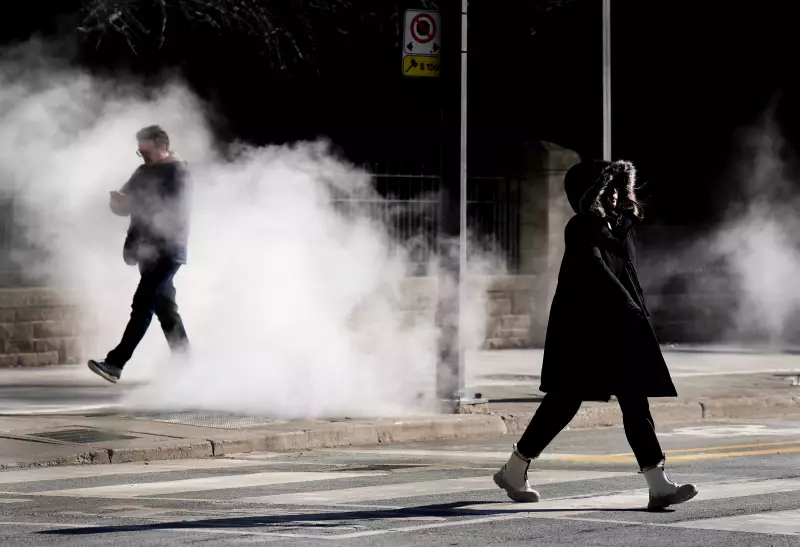
Residents of Toronto are waking up to a severe cold snap this morning, with Environment Canada issuing extreme cold warnings as wind chill values are expected to make it feel like -30°C. This sudden drop in temperatures poses significant risks, particularly for vulnerable populations and those spending extended time outdoors.
Widespread Warnings Across Southern Ontario
Environment Canada has extended its alerts beyond Toronto, covering much of southern Ontario where similar frigid conditions are anticipated. The agency emphasizes that such extreme cold can lead to frostbite on exposed skin in minutes and hypothermia if precautions are not taken. This cold wave is part of a broader pattern affecting the region, with other areas like Ottawa and Montreal also experiencing significant temperature declines.
Safety Measures and Municipal Response
Local authorities are urging Torontonians to take immediate steps to stay safe. Key recommendations include:

- Limiting time spent outdoors, especially during early morning hours when temperatures are lowest.
- Dressing in multiple layers, with a focus on covering extremities like hands, feet, and face.
- Checking on elderly neighbors, family members, and those who may be homeless or at risk.
- Ensuring home heating systems are functioning properly to prevent indoor cold exposure.
Municipal services, including emergency shelters and warming centers, are being activated to provide refuge for those in need. Public health officials are also highlighting the increased danger of carbon monoxide poisoning from improper use of heating devices or blocked vents.
Broader Regional Impacts and Climate Context
This extreme cold event is not isolated to Toronto; it reflects a wider chill sweeping across parts of Ontario, Quebec, and the Maritimes, where temperatures could approach -50°C with wind chill over the weekend. Such phenomena, while severe, are becoming more variable due to climate change, which can lead to unpredictable winter weather patterns. Experts note that while global warming reduces average winter temperatures over time, it can also intensify cold snaps in certain regions through atmospheric disruptions.
As Toronto braces for this harsh weather, residents are advised to stay informed through official channels and prioritize safety. The cold is expected to persist through the morning, with gradual moderation later in the day, but vigilance remains crucial to prevent health emergencies.