Winter Fury Unleashed: Southern Alberta Gripped by Treacherous Snowy Conditions
Southern Alberta is currently grappling with a severe winter onslaught, as heavy snowfall and icy conditions have created treacherous travel environments and widespread disruptions. The region has been blanketed by a powerful storm system, prompting urgent weather warnings from Environment Canada and raising significant safety concerns among residents and authorities alike.
Dangerous Travel Conditions Prevail
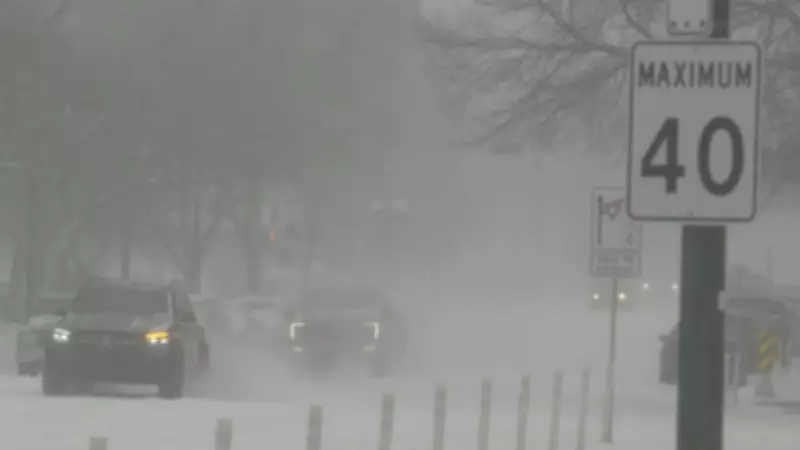
The relentless snowfall has transformed roads into hazardous pathways, with reduced visibility and slippery surfaces making driving extremely perilous. Transportation officials report numerous incidents of vehicles sliding off highways and collisions occurring due to the deteriorating conditions. Emergency services are on high alert, responding to multiple calls for assistance as motorists find themselves stranded or involved in weather-related accidents.
Local municipalities have activated their winter response protocols, deploying snowplows and salt trucks in an effort to maintain some level of road accessibility. However, the intensity of the snowfall has challenged even the most prepared crews, with accumulation rates exceeding initial forecasts in several areas.

Weather Warnings and Safety Advisories
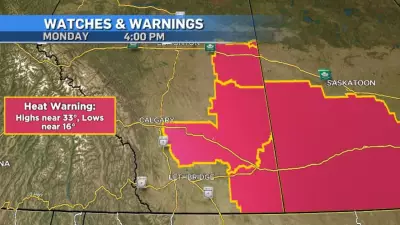
Environment Canada has issued comprehensive weather warnings for the affected regions, highlighting the following concerns:
- Significant snowfall accumulations exceeding 20 centimeters in some locations
- Reduced visibility due to blowing snow and whiteout conditions
- Freezing rain creating treacherous ice layers on surfaces
- Extremely cold wind chills amplifying the dangerous conditions
Meteorologists attribute this severe weather pattern to a collision of Arctic air masses with moisture-laden systems moving from the Pacific, creating ideal conditions for sustained winter precipitation across southern Alberta.
Community Impact and Response
The winter storm has disrupted daily life across the region, with schools announcing closures, businesses adjusting operating hours, and public transportation services experiencing delays and cancellations. Many residents have heeded official advice to avoid unnecessary travel, resulting in unusually quiet streets in normally bustling urban centers.
Emergency shelters have extended their hours and capacity to accommodate vulnerable populations who might be exposed to the dangerous conditions. Utility companies are monitoring power grids closely, as the combination of heavy snow and ice accumulation on power lines increases the risk of outages.
Long-Term Weather Patterns and Climate Considerations
This severe winter event occurs amid broader discussions about changing weather patterns in Alberta. While winter storms are not uncommon in the region, the intensity and timing of such events have drawn attention from climate researchers studying how global climate changes might be influencing local weather extremes.
Agricultural communities in southern Alberta are particularly concerned about the storm's impact, as livestock requires additional protection and feed supplies must be maintained despite transportation challenges. The heavy snowfall, while creating immediate hazards, could potentially benefit soil moisture levels for the coming growing season, though this silver lining offers little comfort to those currently navigating the dangerous conditions.
As the storm system continues to affect the region, authorities emphasize that safety should remain the top priority. Residents are advised to monitor official weather updates, prepare emergency kits for their homes and vehicles, and exercise extreme caution if travel becomes absolutely necessary during this period of heightened winter danger.