Major Winter Storm Batters Northern Ontario and Quebec with Heavy Snowfall
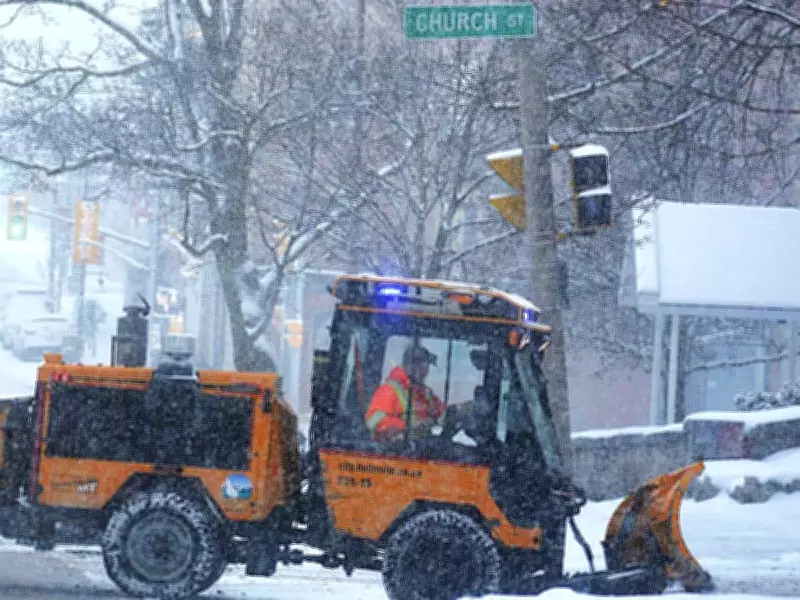
As spring approaches, a significant winter storm is sweeping through parts of northern Ontario and Quebec, bringing severe weather conditions that began on Sunday afternoon and are expected to continue through Monday. Environment Canada has issued warnings for heavy snowfall, strong winds, and potential hazards.
Hardest-Hit Areas and Forecasted Impacts
The Sault Ste. Marie and Timmins regions are experiencing the brunt of the storm, with Environment Canada forecasting total snowfall accumulations ranging from 40 to 80 centimeters. Additionally, northeasterly wind gusts of 70 to 80 kilometers per hour are anticipated, which could lead to blowing snow and reduced visibility.
An orange alert from the weather agency highlights the risks of near-zero visibility at times due to heavy snow and blowing snow. Power outages are also a concern as the storm intensifies.

Travel and Safety Warnings
Road conditions are expected to become extremely hazardous, with some routes likely impassable and closures possible. Environment Canada has warned that roofs may be at an increased risk of collapse under the weight of accumulated snow, urging residents to take precautions.
The storm's development is noted to start from Chapleau through Timmins, with a chance of freezing rain or ice pellets mixing in along a line from Sault Ste. Marie to Kirkland Lake, which could reduce total snowfall amounts in those areas.
Impact on Quebec and Surrounding Regions
In Quebec, communities from La Sarre west to Miquelon-Desmaraisville are forecasted to receive 30 to 50 centimeters of snow, with freezing rain possible. The storm is expected to be less severe moving eastward, with Chibougamau projected to see 20 to 40 centimeters of snow before conditions improve by Tuesday morning.
Meanwhile, Toronto and parts of southwestern Ontario are under a special weather statement, anticipating a patchy winter mix of high winds, freezing rain, and snow that may extend into Monday and Tuesday.
This late-winter event underscores the unpredictable nature of seasonal transitions, with authorities advising residents to stay informed and prepared for changing conditions.