Winter Storm System Brings Heavy Snow and Freezing Rain to Northeastern Ontario
A significant winter weather event is currently impacting northeastern Ontario, with heavy snowfall and freezing rain creating hazardous conditions across the region. The storm system, which moved in early Wednesday morning, is expected to persist throughout the day, affecting travel and daily activities for residents.
Widespread Weather Impacts Across Eastern Canada
This storm is part of a larger weather pattern affecting much of Eastern Canada. Environment Canada has issued weather advisories for numerous regions, warning of freezing rain, ice accumulation, and potential flooding in low-lying areas. Ottawa and Montreal are directly in the storm's path, with both cities preparing for significant ice accumulation that could lead to power outages and dangerous road conditions.
Local authorities are urging residents to exercise extreme caution when traveling and to consider postponing non-essential trips until conditions improve. School bus cancellations have already been reported in eastern Ontario, while some schools in Gatineau have closed entirely due to the deteriorating weather.

Detailed Forecast for Northeastern Ontario
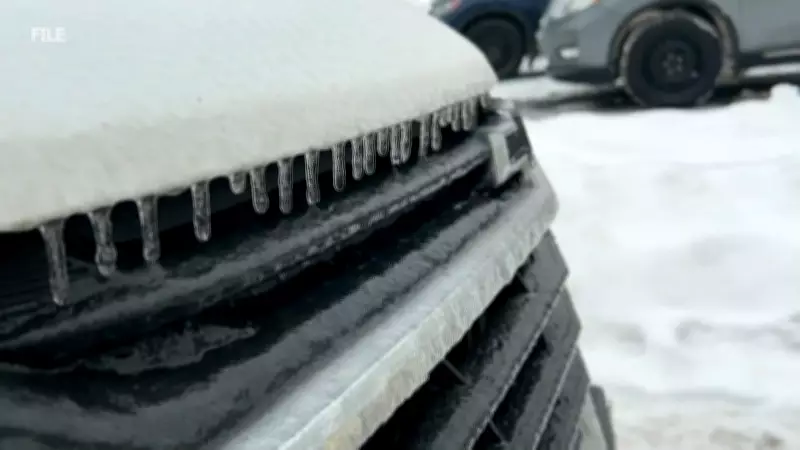
Meteorologists predict that northeastern Ontario will experience the heaviest snowfall accumulations, with some areas potentially receiving 15-25 centimeters of fresh snow. The transition to freezing rain later in the day poses additional challenges, as ice accumulation on trees and power lines increases the risk of outages.
"This is a classic winter storm scenario for this region," explained a senior meteorologist with Environment Canada. "We're seeing moisture from the Gulf of Mexico colliding with Arctic air, creating ideal conditions for significant precipitation in both frozen and liquid forms."
Broader Weather Patterns and Climate Context
This storm system arrives as Eastern Canada experiences an active winter weather season. Climate scientists note that such extreme weather events are becoming more frequent and intense due to changing atmospheric patterns influenced by global climate change. The current storm follows similar events that have affected other parts of Canada in recent weeks.
Meanwhile, in Western Canada, Vancouver has experienced its own winter weather challenges with snowfall in Metro Vancouver and more precipitation forecasted. The contrasting weather patterns across the country highlight the diverse climate conditions Canadians face during the winter months.
Safety Recommendations and Preparedness Measures
Emergency management officials recommend that residents in affected areas:
- Stock emergency supplies including food, water, and medications
- Prepare for potential power outages with alternative heating sources
- Avoid unnecessary travel during the height of the storm
- Check on vulnerable neighbors, particularly seniors and those with mobility challenges
- Keep devices charged and monitor official weather updates regularly
Transportation officials have deployed additional snow removal equipment and salt trucks across northeastern Ontario, but warn that road conditions will remain treacherous throughout the storm's duration. The Ontario Provincial Police have reported multiple weather-related incidents already, though no serious injuries have been confirmed at this time.
As the storm system continues to develop, meteorologists will provide updated forecasts and advisories. Residents are encouraged to follow local media and official government channels for the latest information on this evolving weather situation.